4 min read
What language do they speak in Morocco?
At least four, depending where you are and who you ask.
Written by Morocco Tailored Tours.
Morocco has two official languages, Arabic and Amazigh (Tamazight), the latter only gaining that constitutional status in 2011, a significant shift for a language historically sidelined in schools and public life despite being spoken by a large share of the population, particularly outside the big cities.
The Arabic actually spoken day to day isn't the Modern Standard Arabic used in newspapers, official signage, or the news. It's Darija, Morocco's own dialect, layered with French, Spanish, and Amazigh loanwords to the point that Arabic speakers from the Gulf or the Levant often find it genuinely difficult to follow.
Amazigh itself isn't a single language either: Tarifit is spoken in the Rif mountains in the north, Tashelhit across the High Atlas and Souss valley in the south, and Tamazight in the Middle Atlas in between. They're related but not always mutually understood, and the language was primarily oral for most of its history, the Tifinagh script now used on road signs alongside Arabic is a relatively recent, deliberate revival.
French remains the practical language of business, higher education, and most official paperwork, a legacy of the 1912–1956 protectorate, and it will get a visitor further than English in most places outside the largest tourist areas. Spanish still has a real presence in the north, around Tangier, Tetouan, and Chefchaouen, for the same colonial-era reasons. A handful of Darija greetings go a long way anywhere, but they're a courtesy, not a substitute for French if you actually need to communicate something specific.
Planning around Fez? Read the Fez destination guide or see 6-Day Sahara Desert Tour: Marrakech to Fez, a sample itinerary that includes it.
A few common questions
Ready to see this in person?
6-Day Sahara Desert Tour: Marrakech to Fez
A private route over the Atlas passes and down into the Sahara, with two nights to actually sit still in the dunes instead of rushing through them. We end in Fez instead of backtracking to Marrakech, so every day moves forward.
More from the blog
Private or group: what actually changes on the road
The difference isn't comfort so much as control over the day.
Read article
A first-timer's route through the Marrakech medina
Where to start when every street looks the same as the last.
Read article
When to go: Morocco by season, region by region
The country is large enough that 'best time to visit' depends on where you're headed.
Read articleTours that include this
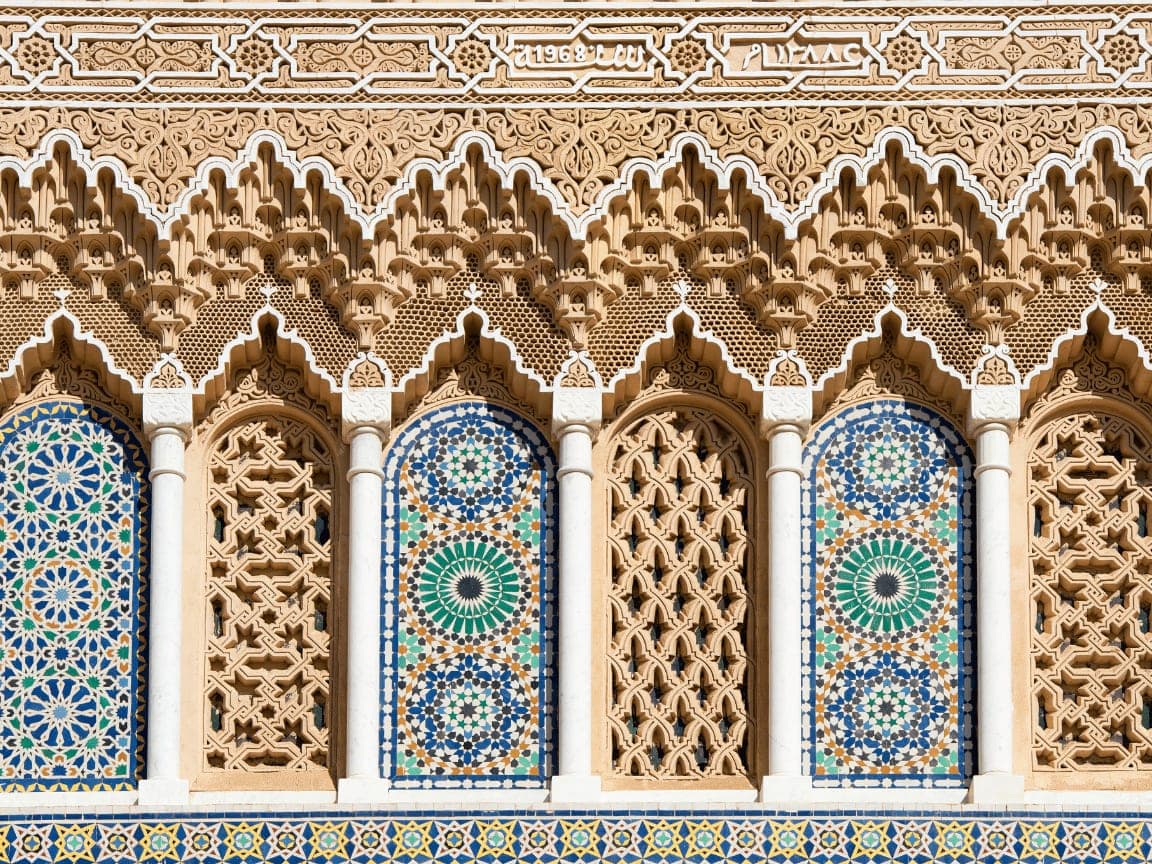
4-Day Sahara Desert Tour from Fez
The most direct route to Erg Chebbi and back, for travellers based in Fez with four days rather than a week. The Middle Atlas cedar forests and Ziz Valley palmeries do a lot of the scenic work on the way down.
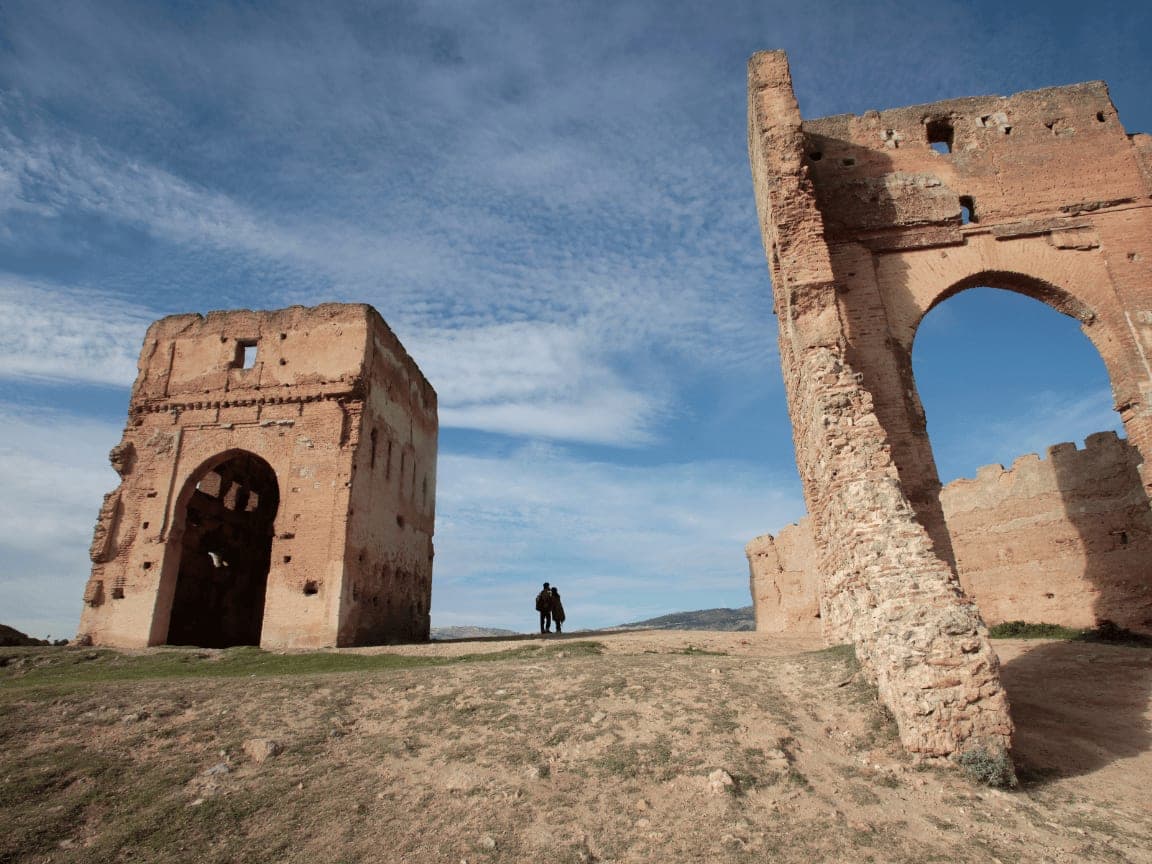
4-Day Imperial Cities Tour from Fez
The shortest way to see three imperial cities and the best Roman ruins in the country, without touching the desert or the coast further south: a good add-on to a Fez-based trip rather than a trip on its own.
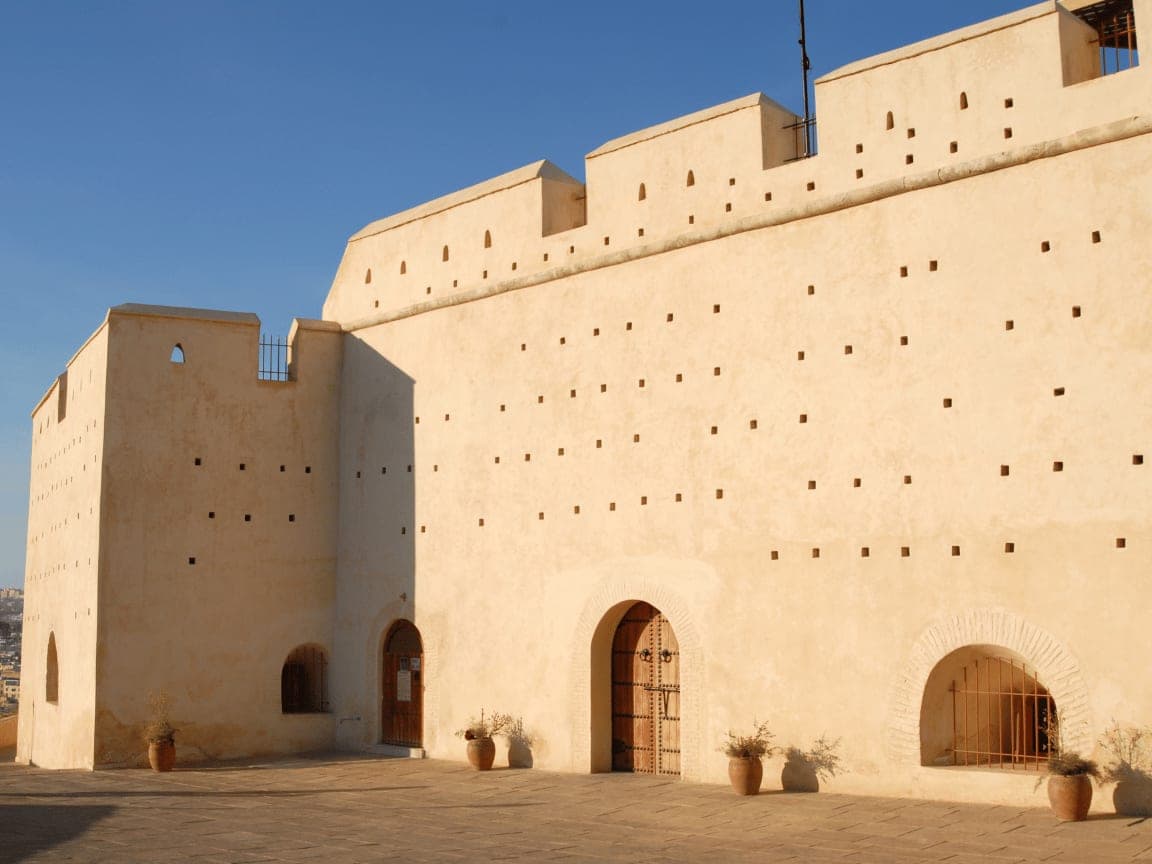
4-Day Middle Atlas Tour from Fez: Ifrane and Azrou
A short trip into the cedar forests and mountain air of the Middle Atlas: Ifrane's alpine-style streets, Barbary macaques near Azrou, and a slower pace than the medina, an hour and a half from Fez.