5 min read
Understanding Moroccan culture: the basics that actually matter
Arab, Amazigh, Andalusian, and French influences overlap rather than replace each other.
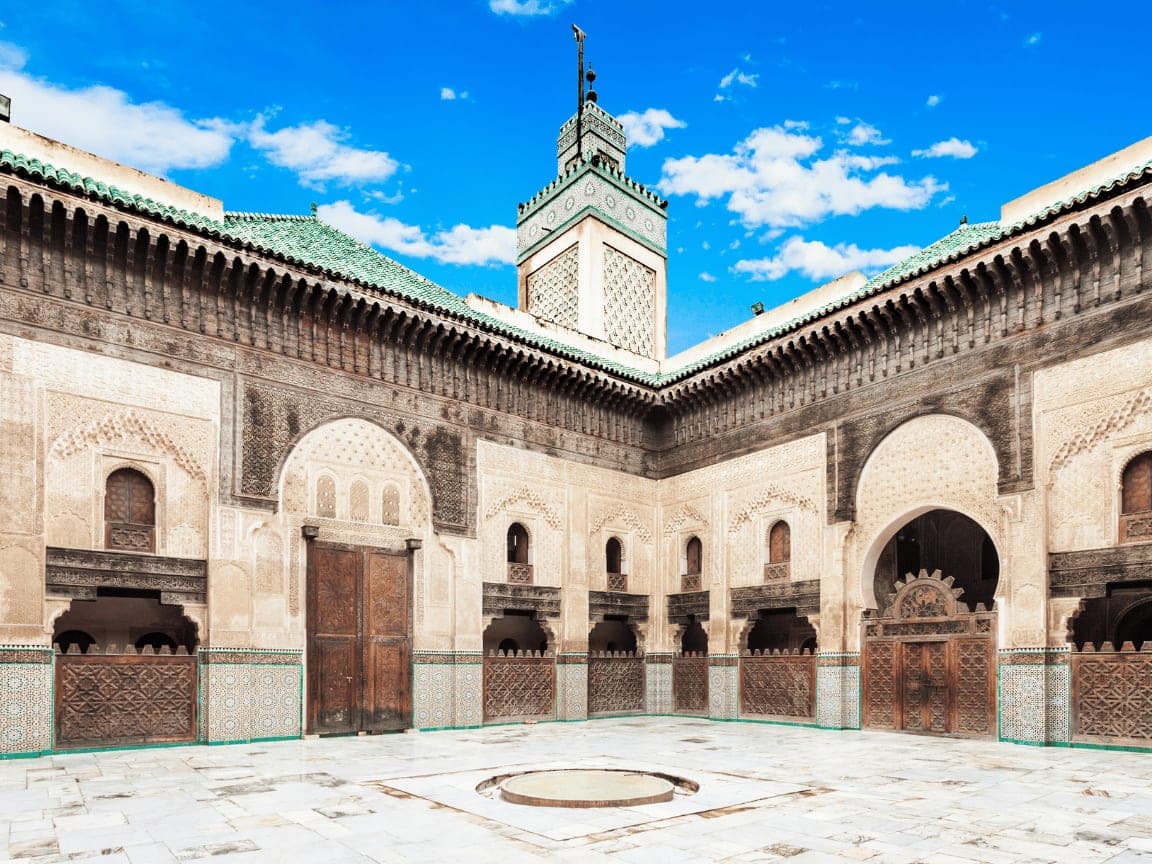
Morocco's culture doesn't come from one source, it's layered. An indigenous Amazigh (Berber) foundation, Arab influence arriving from the 7th century onward, centuries of exchange with Andalusian Spain, and a more recent French and Spanish colonial period all still show up in the language, the architecture, and daily life. None of them simply replaced what came before.
You can hear this in the language alone. Moroccan Arabic (Darija) is the everyday spoken language, different enough from standard Arabic that speakers from other Arab countries often struggle with it. Amazigh languages (Tamazight) are spoken natively across large parts of the country and hold official status alongside Arabic. French is still widely used in business, higher education, and government, a legacy of the protectorate era, and Spanish is common in the north.
Music tells a similar story. Gnawa grew out of the spiritual practices of West African communities brought to Morocco through the historic trans-Saharan trade, and it's become one of the country's most recognisable sounds internationally. Andalusian classical music and Chaabi, the popular folk style, sit alongside it as their own, equally rooted traditions.
Even food works as culture, not just cuisine. The shared tagine, the ritual of pouring mint tea from height, the Friday couscous tradition mentioned elsewhere on this blog, they're small, repeated acts that carry more weight than a visitor passing through might realise.
Planning around Fez? Read the Fez destination guide or see 6-Day Sahara Desert Tour: Marrakech to Fez, a sample itinerary that includes it.
A few common questions
Ready to see this in person?
6-Day Sahara Desert Tour: Marrakech to Fez
A private route over the Atlas passes and down into the Sahara, with two nights to actually sit still in the dunes instead of rushing through them. We end in Fez instead of backtracking to Marrakech, so every day moves forward.
More from the blog
Private or group: what actually changes on the road
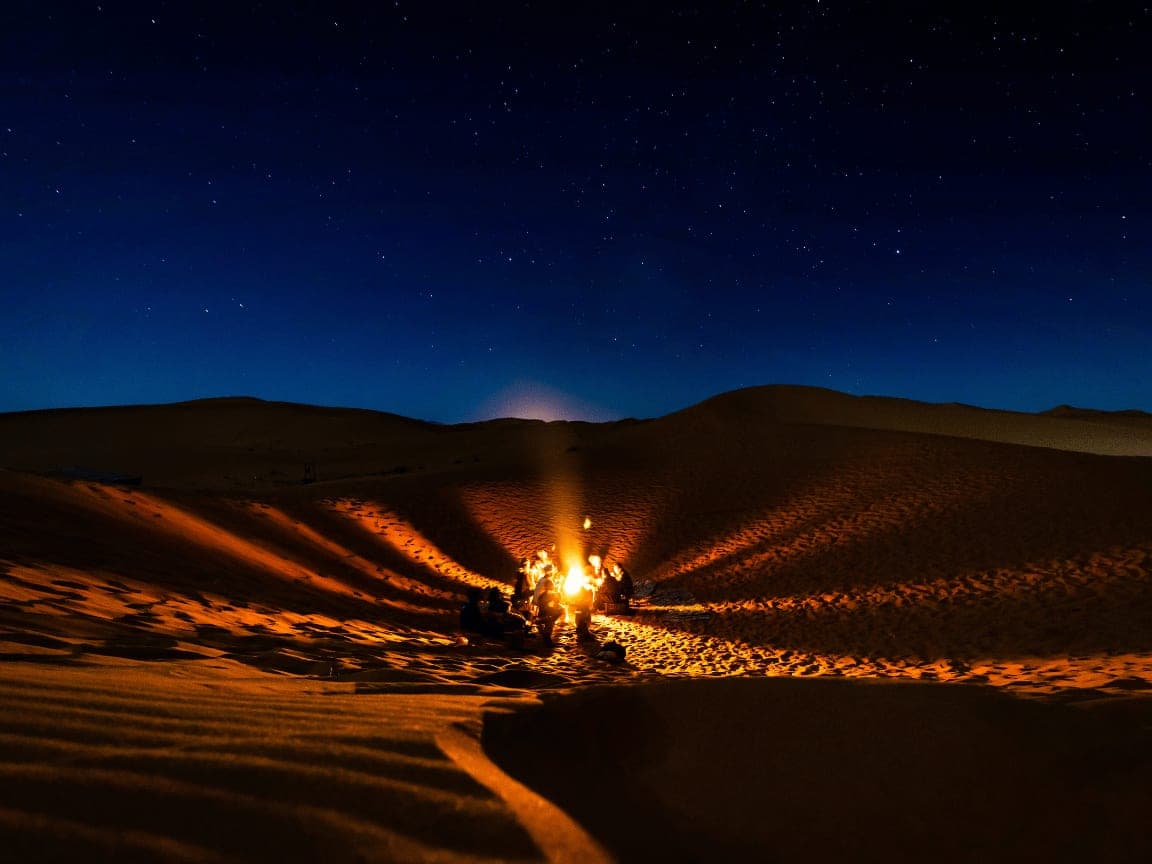
The difference isn't comfort so much as control over the day.
By Omar Hafidi
Read article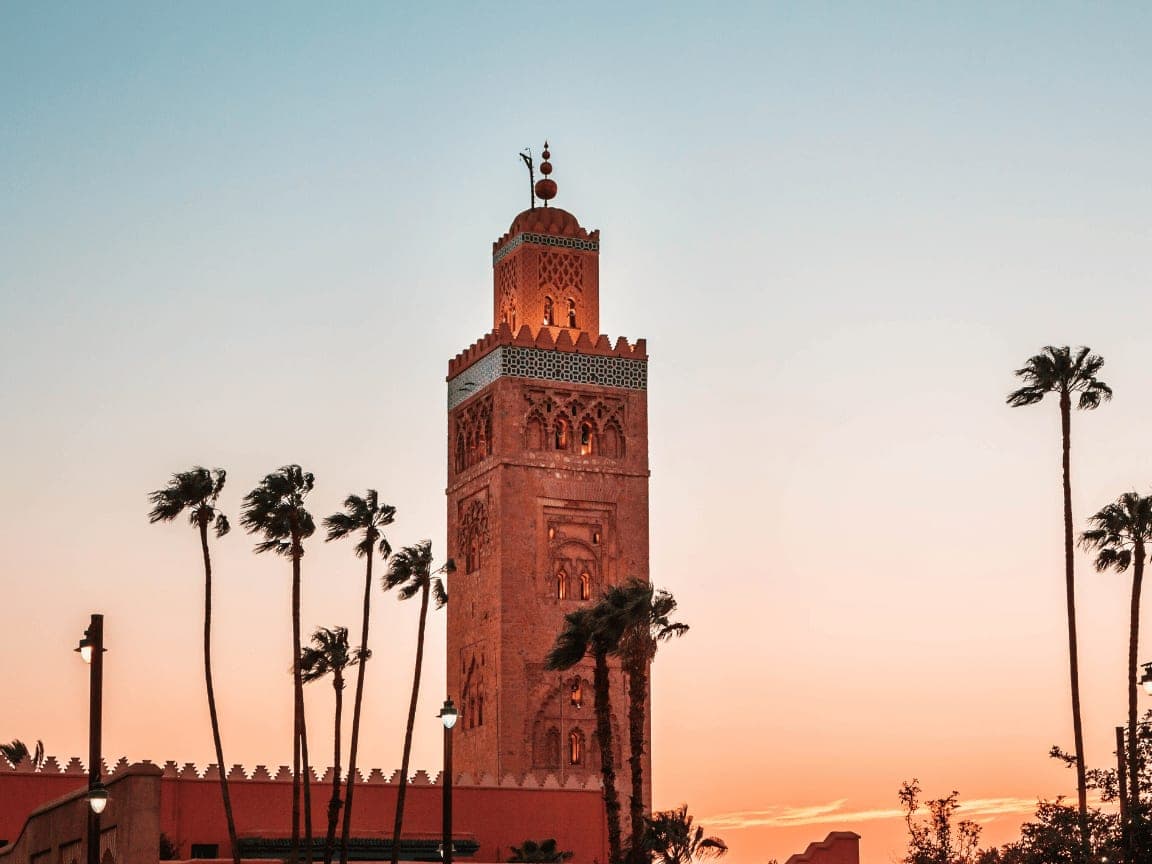
A first-timer's route through the Marrakech medina
Where to start when every street looks the same as the last.
By Anouar
Read article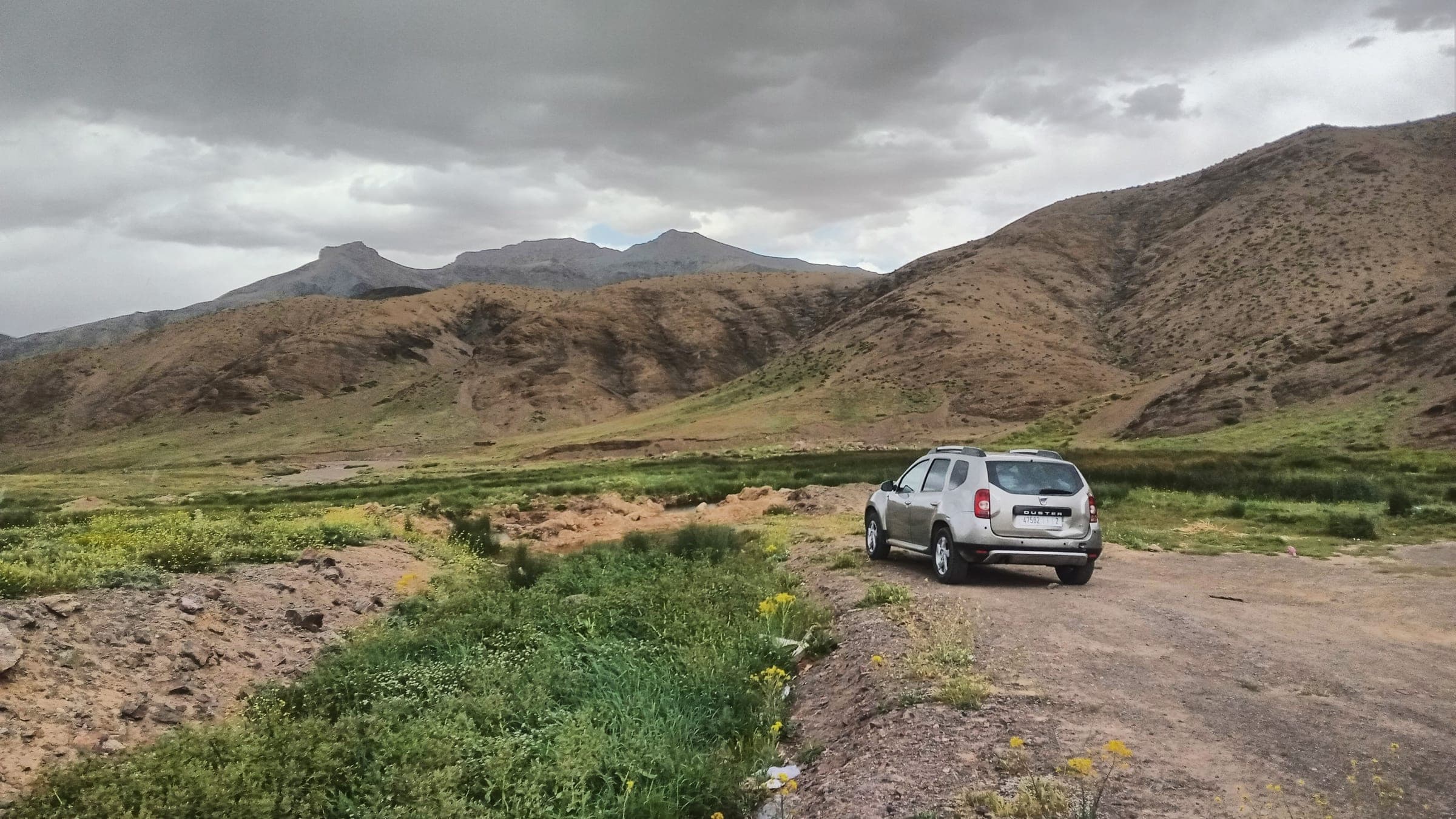
When to go: Morocco by season, region by region
The country is large enough that 'best time to visit' depends on where you're headed.
By Omar Hafidi
Read articleTours that include this
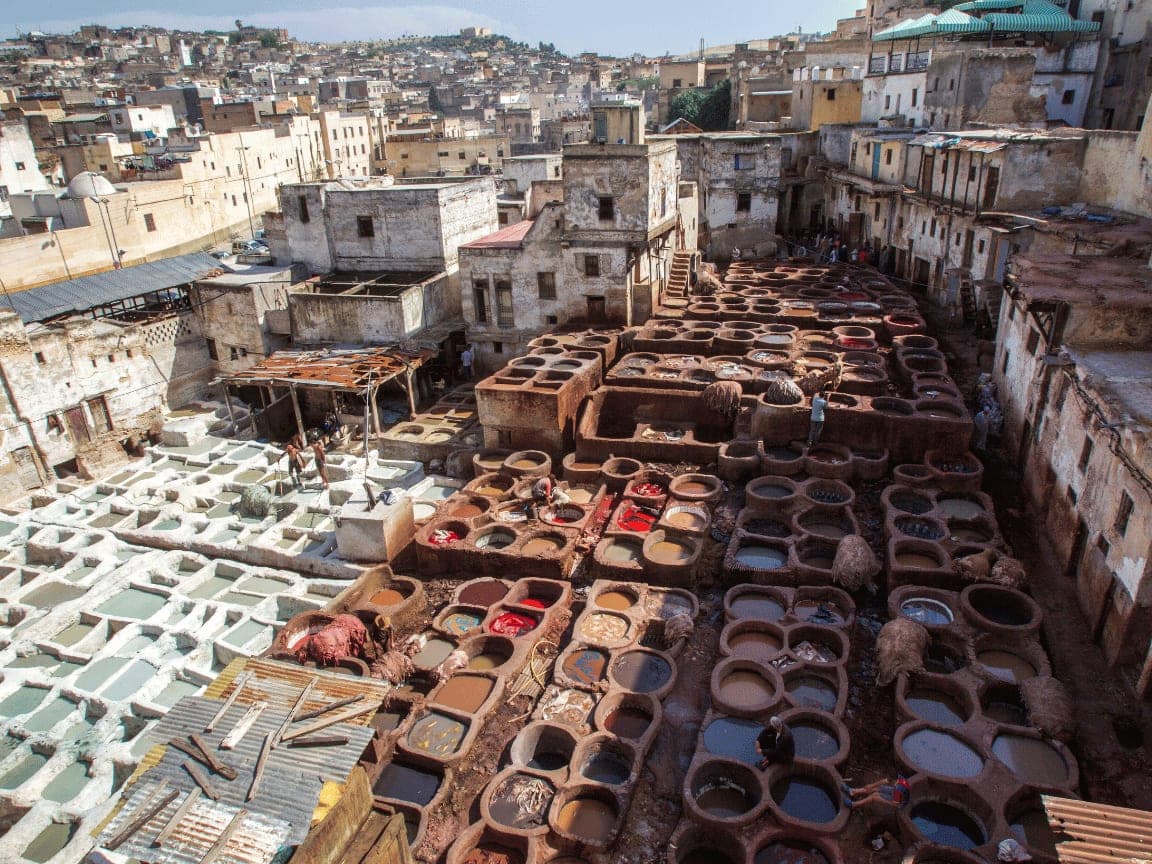
4-Day Sahara Desert Tour from Fez
The most direct route to Erg Chebbi and back, for travellers based in Fez with four days rather than a week. The Middle Atlas cedar forests and Ziz Valley palmeries do a lot of the scenic work on the way down.
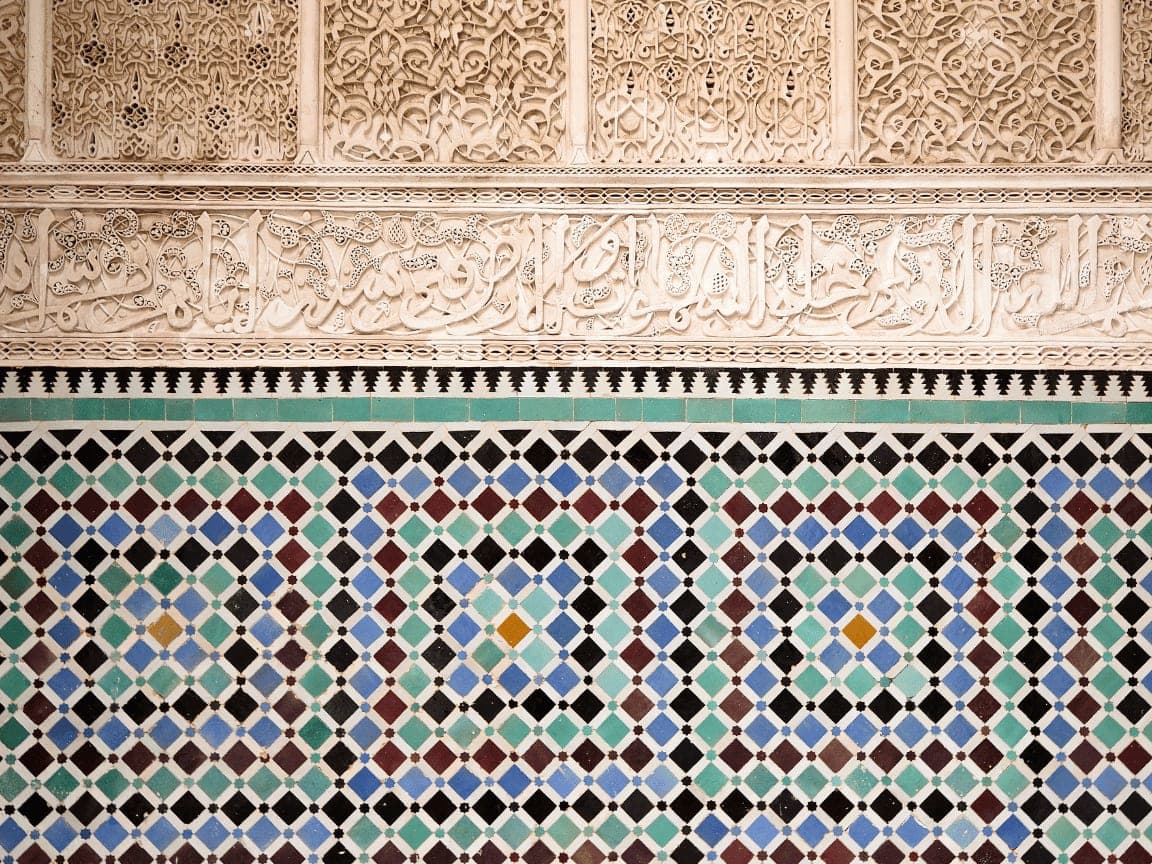
4-Day Imperial Cities Tour from Fez
The shortest way to see three imperial cities and the best Roman ruins in the country, without touching the desert or the coast further south: a good add-on to a Fez-based trip rather than a trip on its own.
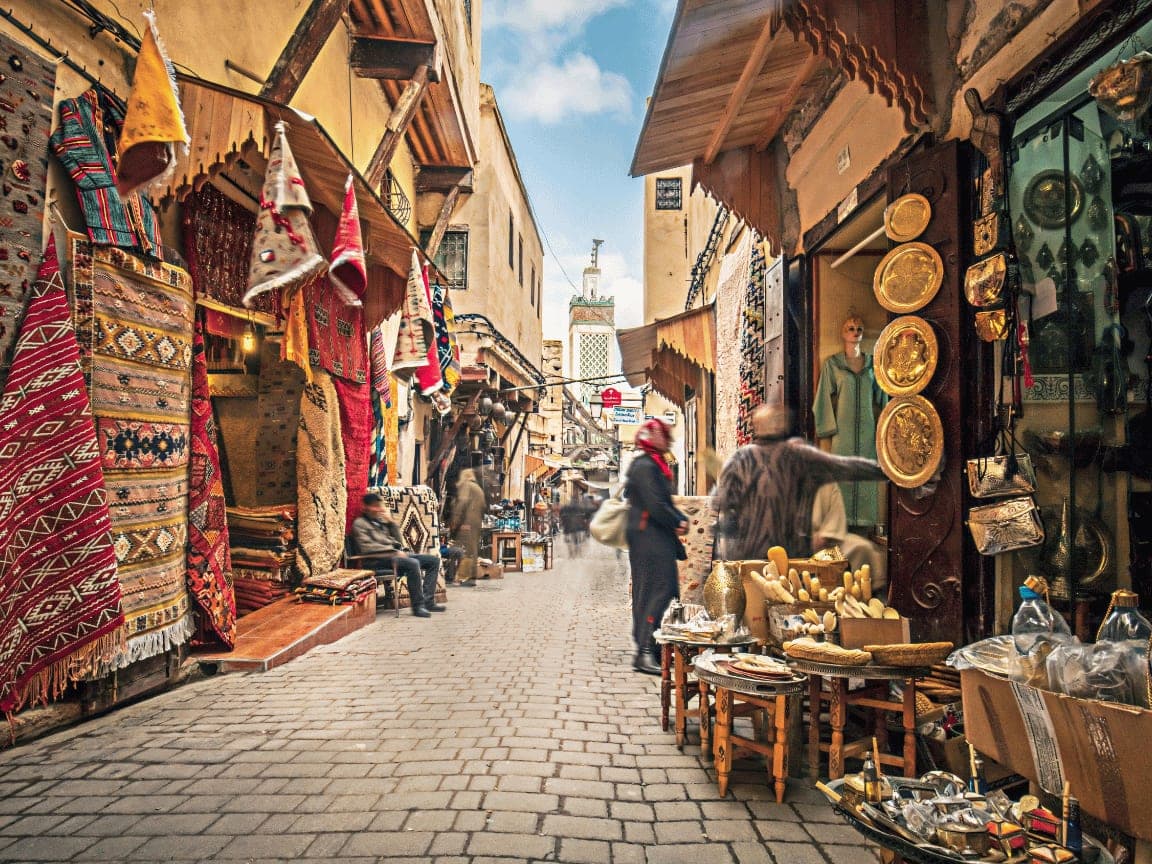
4-Day Middle Atlas Tour from Fez: Ifrane and Azrou
A short trip into the cedar forests and mountain air of the Middle Atlas: Ifrane's alpine-style streets, Barbary macaques near Azrou, and a slower pace than the medina, an hour and a half from Fez.