3 min read
What currency to use in Morocco, and how to carry it
The dirham is a closed currency: here's what that means practically.
Morocco's currency is the Moroccan dirham (MAD), and it's a closed currency: meaning it can't legally be bought or exchanged outside the country, and only limited amounts can be brought in or taken out. In practice, this means exchanging money on arrival, not before you fly.
ATMs are widely available in cities and tourist areas and generally offer better rates than currency exchange counters, though your home bank's foreign transaction fees are worth checking before you rely on them exclusively.
Cash is still king for smaller transactions, souks, cafés, taxis, and rural guesthouses often don't take cards, while larger hotels, riads, and restaurants in bigger cities usually do. Carrying a mix, and more small notes than large ones, makes daily spending noticeably smoother.
US dollars and euros are sometimes accepted directly for larger, pre-arranged payments (accommodation deposits, private tour balances), but day-to-day spending is dirham-only: plan to exchange or withdraw shortly after you land.
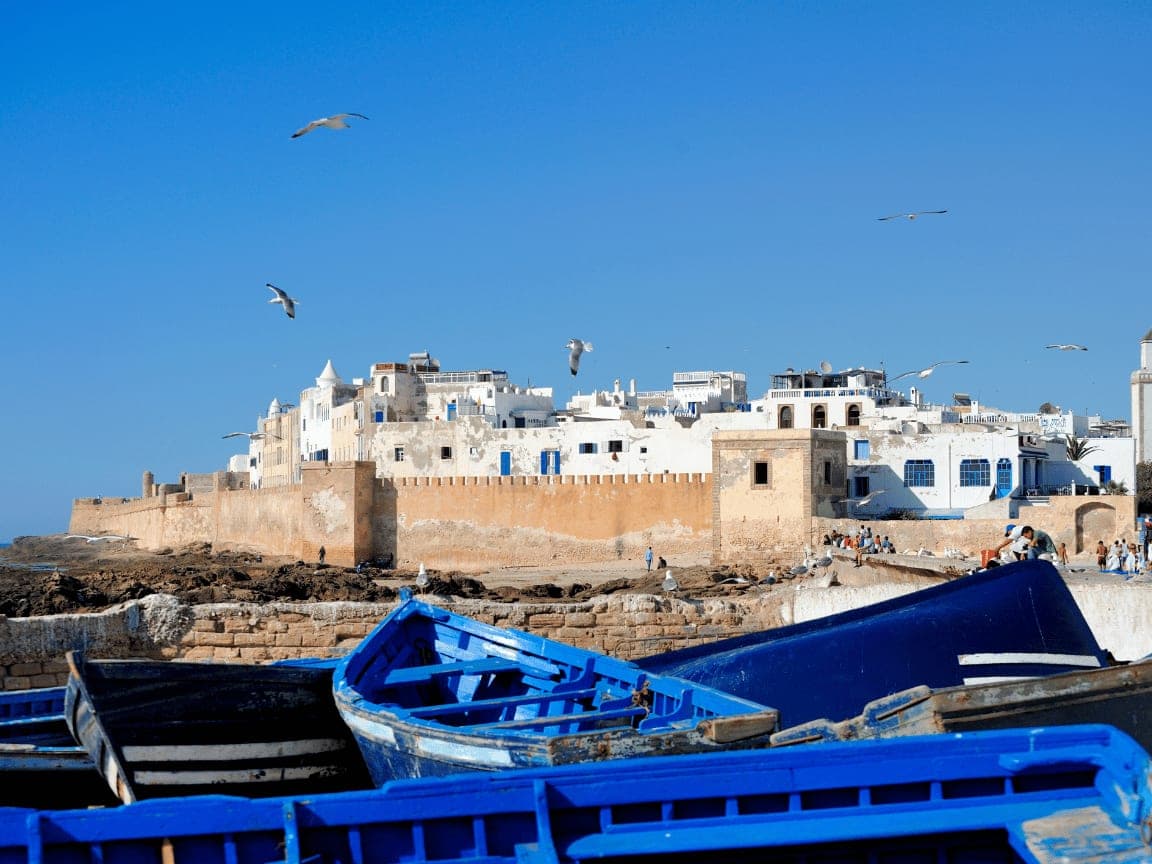
Planning around Essaouira? Read the Essaouira destination guide or see 12-Day Private Morocco Tour: Marrakech, Sahara and the North, a sample itinerary that includes it.
A few common questions
Ready to see this in person?
12-Day Private Morocco Tour: Marrakech, Sahara and the North
A full loop for travellers with two weeks and a wish to see most of what Morocco offers: mountains, desert, the imperial north, and a few days by the Atlantic to finish. This is the version we most often end up rebuilding from scratch around a specific traveller, so treat it as a starting draft, not a fixed plan.
More from the blog
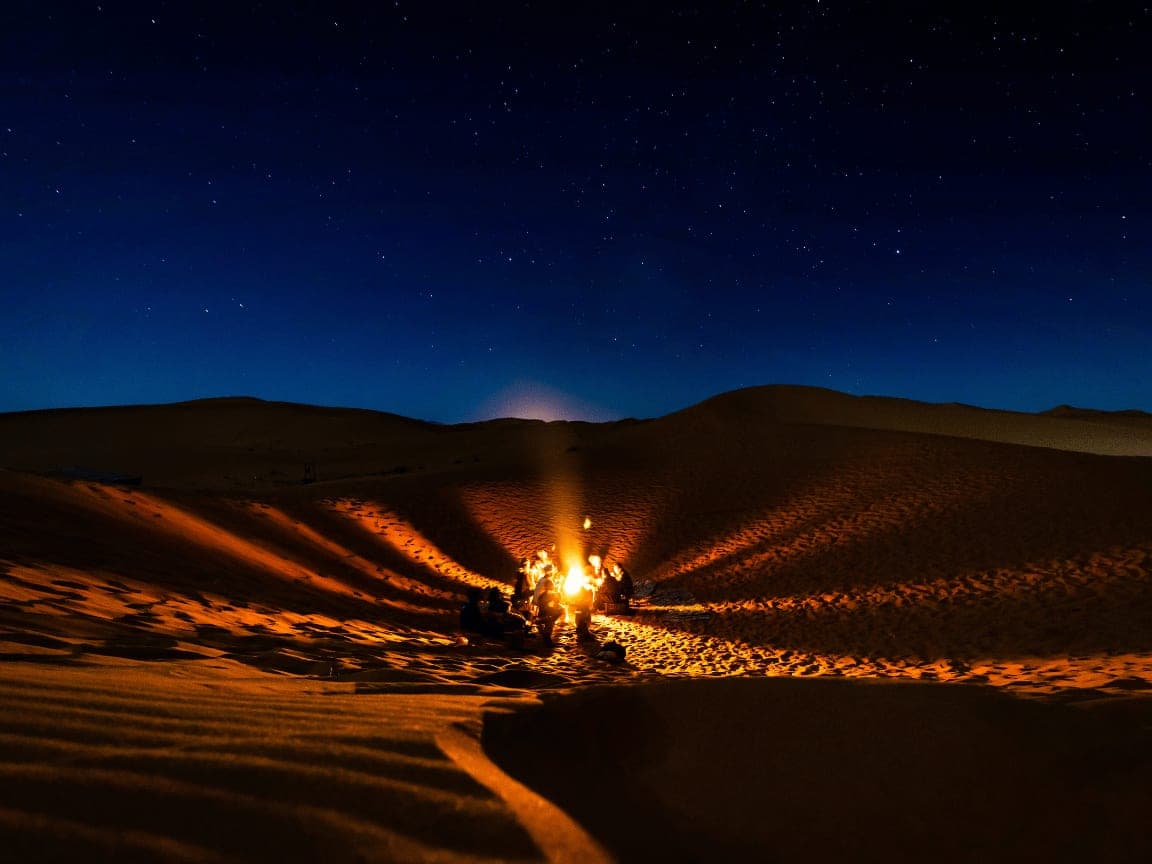
Private or group: what actually changes on the road
The difference isn't comfort so much as control over the day.
By Omar Hafidi
Read article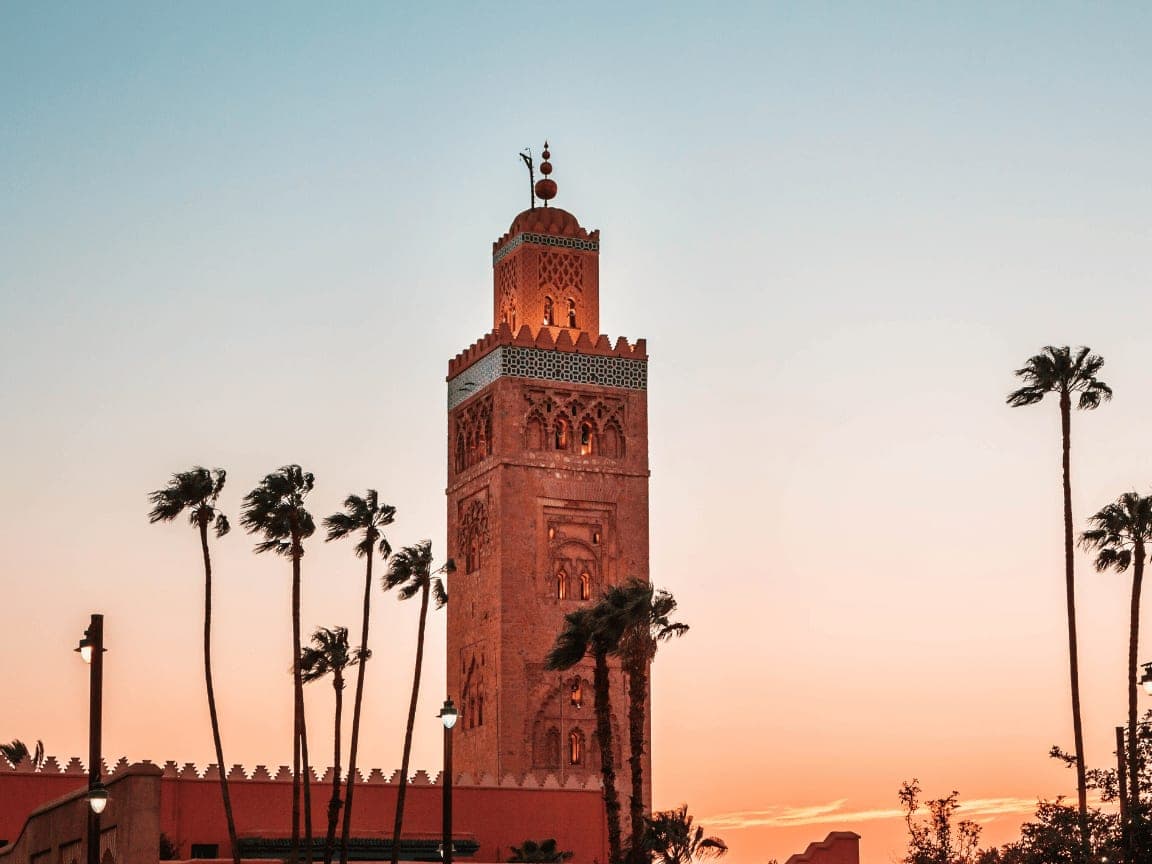
A first-timer's route through the Marrakech medina
Where to start when every street looks the same as the last.
By Anouar
Read article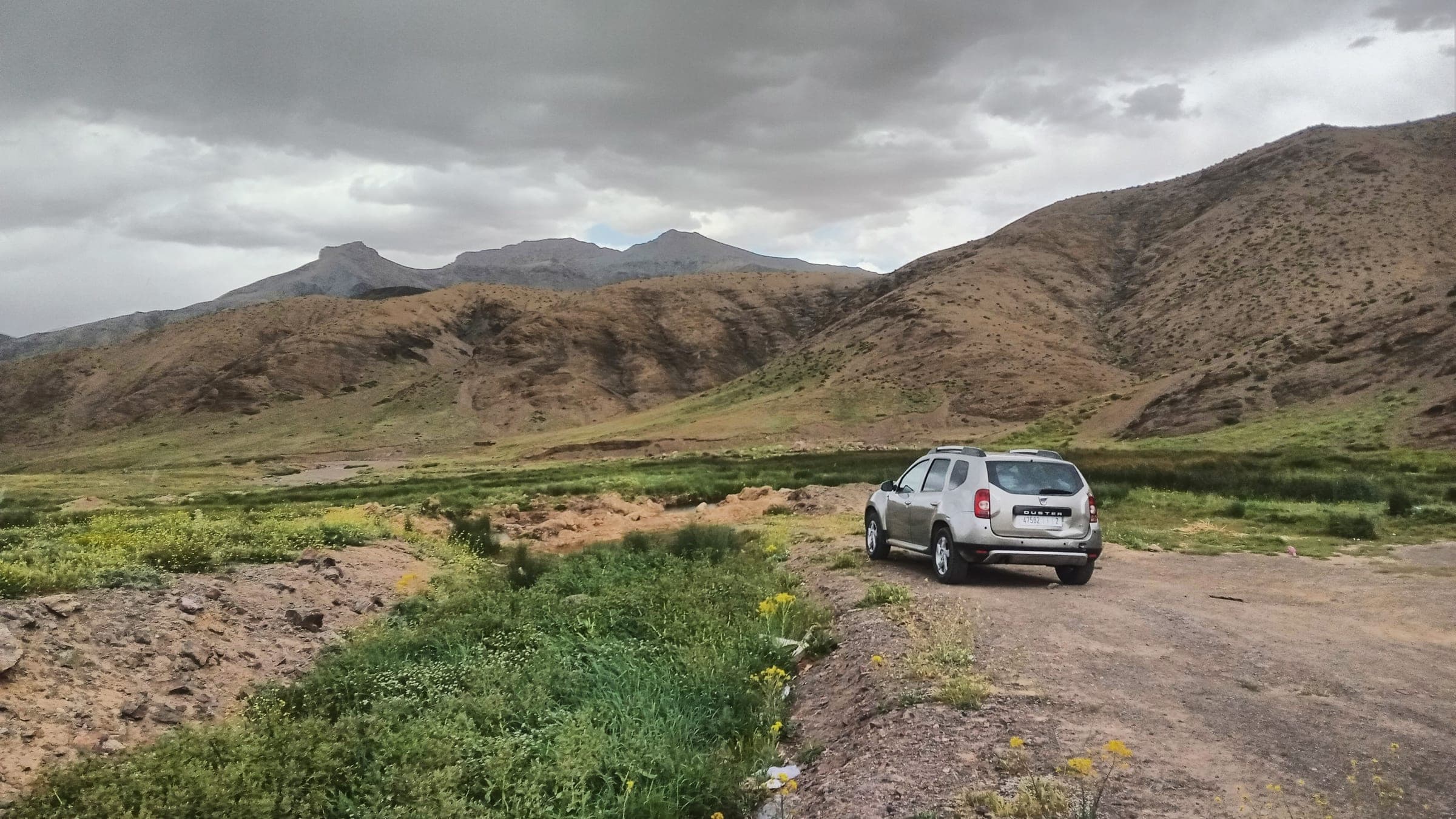
When to go: Morocco by season, region by region
The country is large enough that 'best time to visit' depends on where you're headed.
By Omar Hafidi
Read articleTours that include this
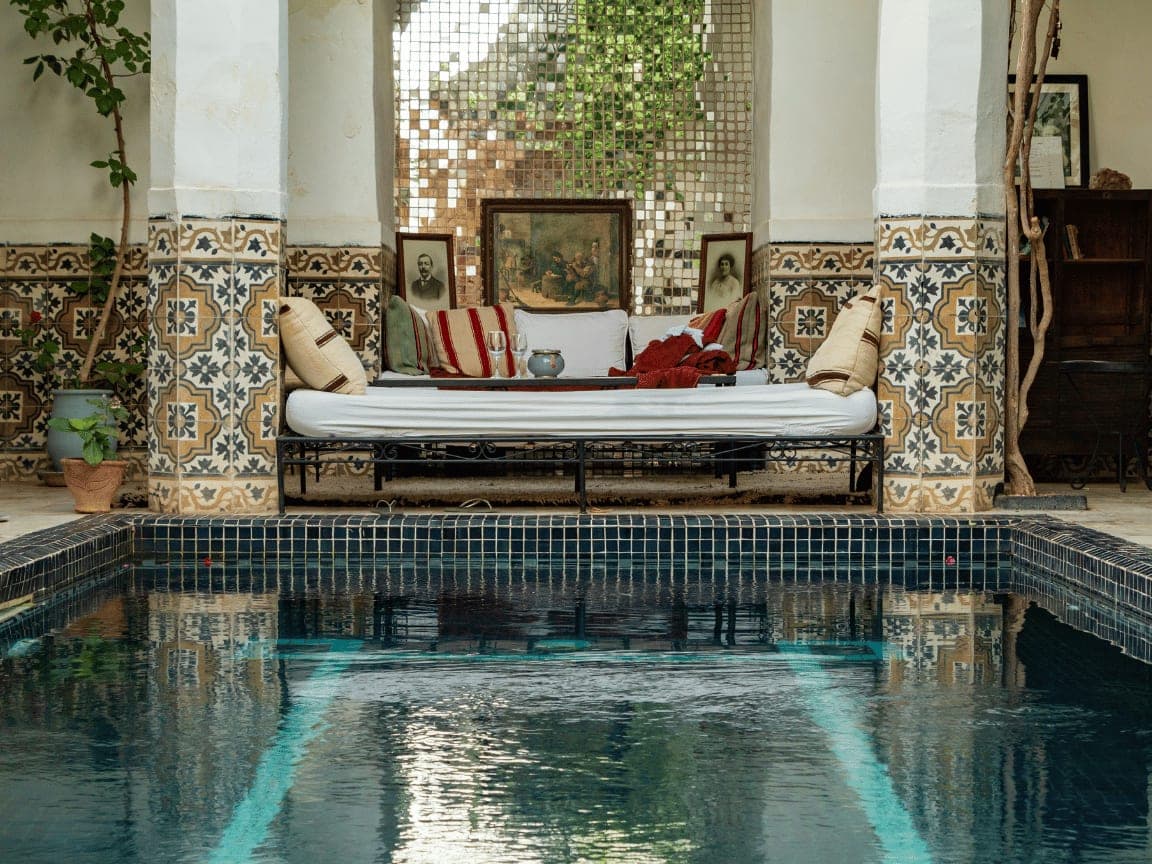
4-Day Marrakech to Essaouira Coastal Tour
A short trip for travellers who want the medina experience without the desert heat: two nights by the Atlantic in Essaouira, an easy two-and-a-half-hour drive from Marrakech.
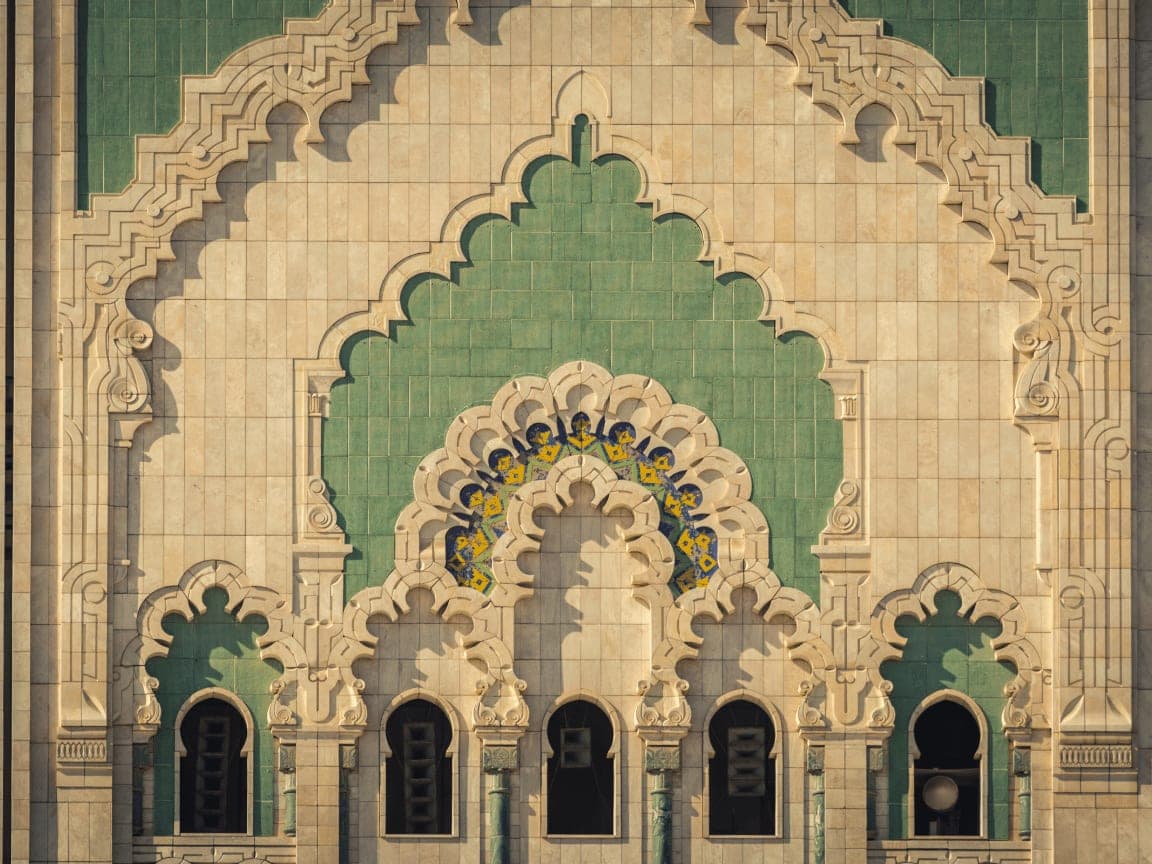
4-Day Casablanca to Essaouira Coastal Tour
A coast-to-coast trip for travellers who'd rather stay near the Atlantic than head inland: Casablanca's modern skyline and Essaouira's 18th-century ramparts, without a mountain pass in between.
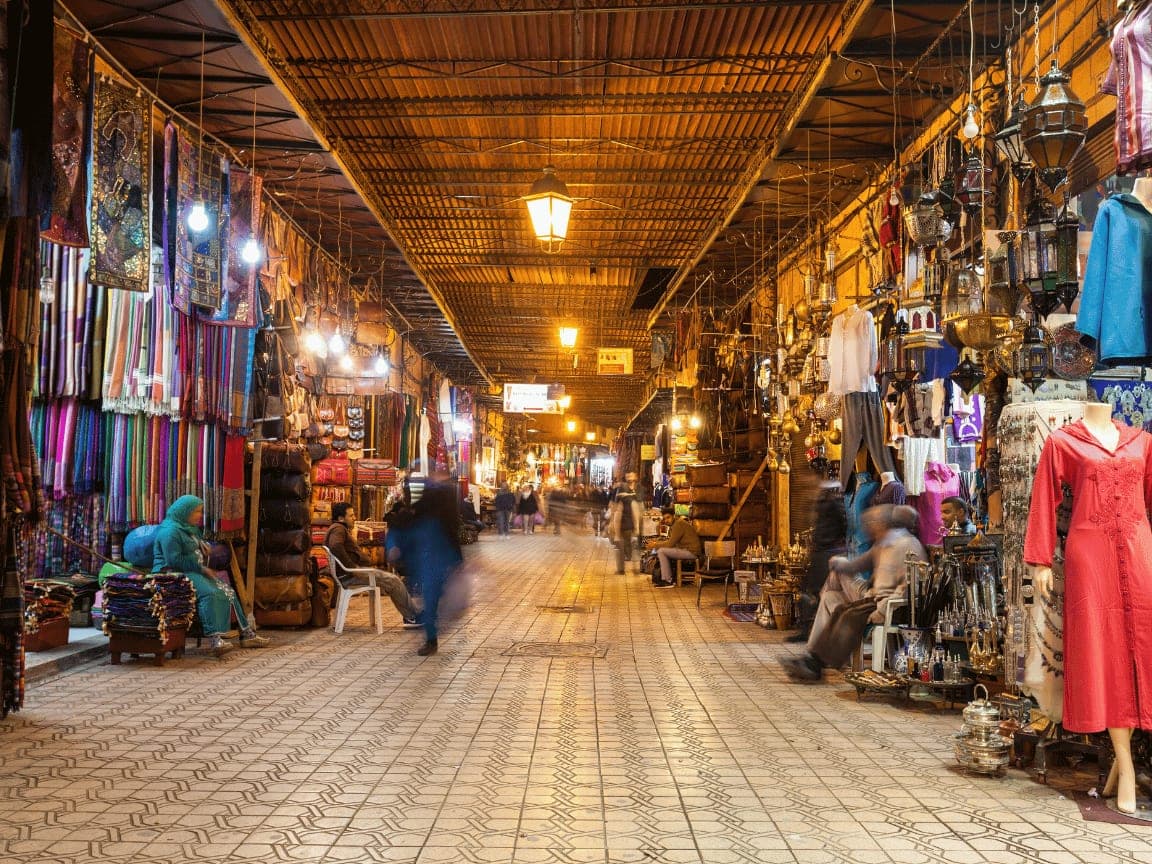
6-Day Morocco Food and Culture Tour from Marrakech
Built around markets, kitchens, and a coastal seafood grill rather than monuments: for travellers who'd rather learn to make a tagine than photograph one.