
3 min read
Camel trekking in Morocco: what to expect
Less about the distance covered, more about the sunrise or sunset it's timed around.
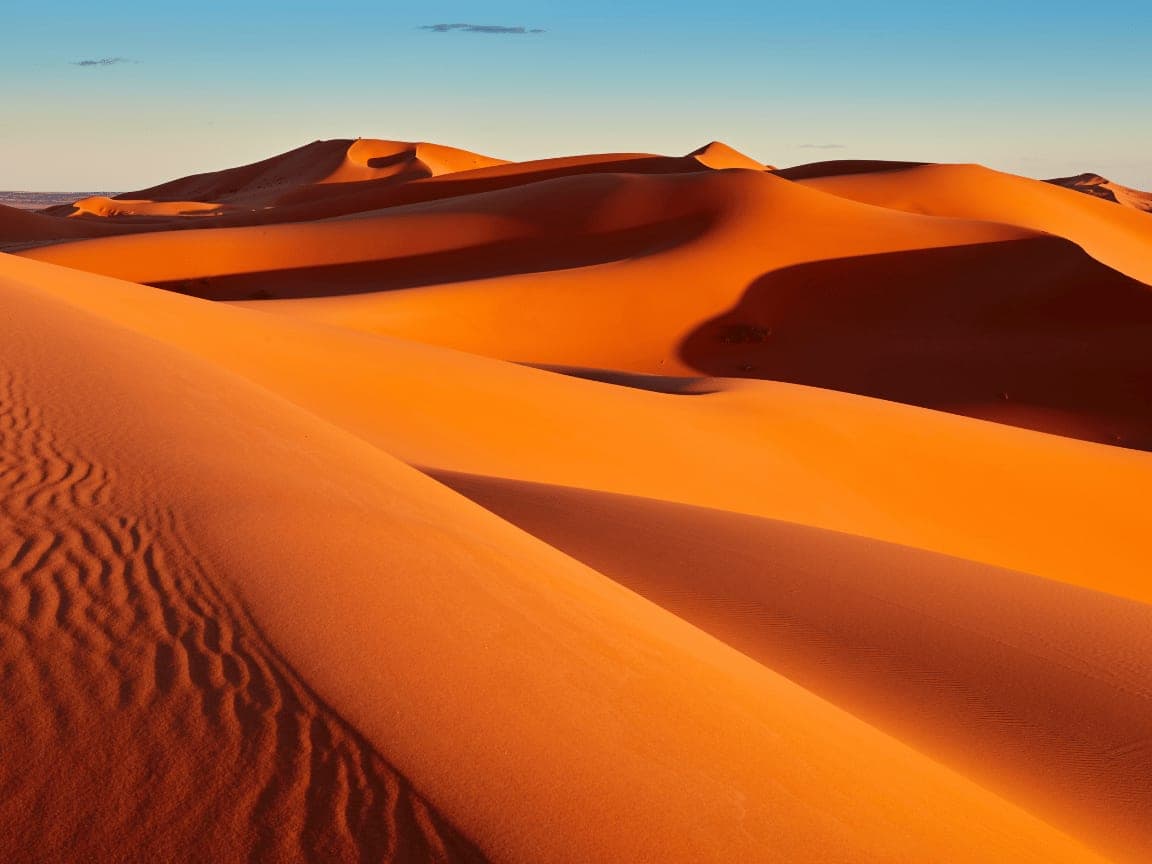
Most camel treks in the Sahara are short by distance: typically 45 minutes to an hour and a half, timed for sunset on arrival at camp or sunrise the following morning, rather than a long-distance trek. The dromedary camels used are well accustomed to tourist riders and led by an experienced guide on foot.
Mounting and dismounting is the part first-timers are usually most nervous about: the camel kneels for both, and the motion (a distinct forward-then-back lurch) is more dramatic than dangerous, though it's worth holding on for those first few seconds.
An hour in the saddle is enough for most people; longer treks can be uncomfortable for anyone not used to riding, so a shorter, well-timed trek at sunset or sunrise is usually the better choice over a longer one in the middle of the day.
For travellers who'd rather skip riding altogether, walking the dunes on foot or joining by 4x4 covers the same sunset or sunrise experience without the camel: we build either option in without it changing the itinerary.
Planning around Sahara Desert? Read the Sahara Desert destination guide or see 6-Day Sahara Desert Tour: Marrakech to Fez, a sample itinerary that includes it.
A few common questions
Ready to see this in person?
6-Day Sahara Desert Tour: Marrakech to Fez
A private route over the Atlas passes and down into the Sahara, with two nights to actually sit still in the dunes instead of rushing through them. We end in Fez instead of backtracking to Marrakech, so every day moves forward.
More from the blog
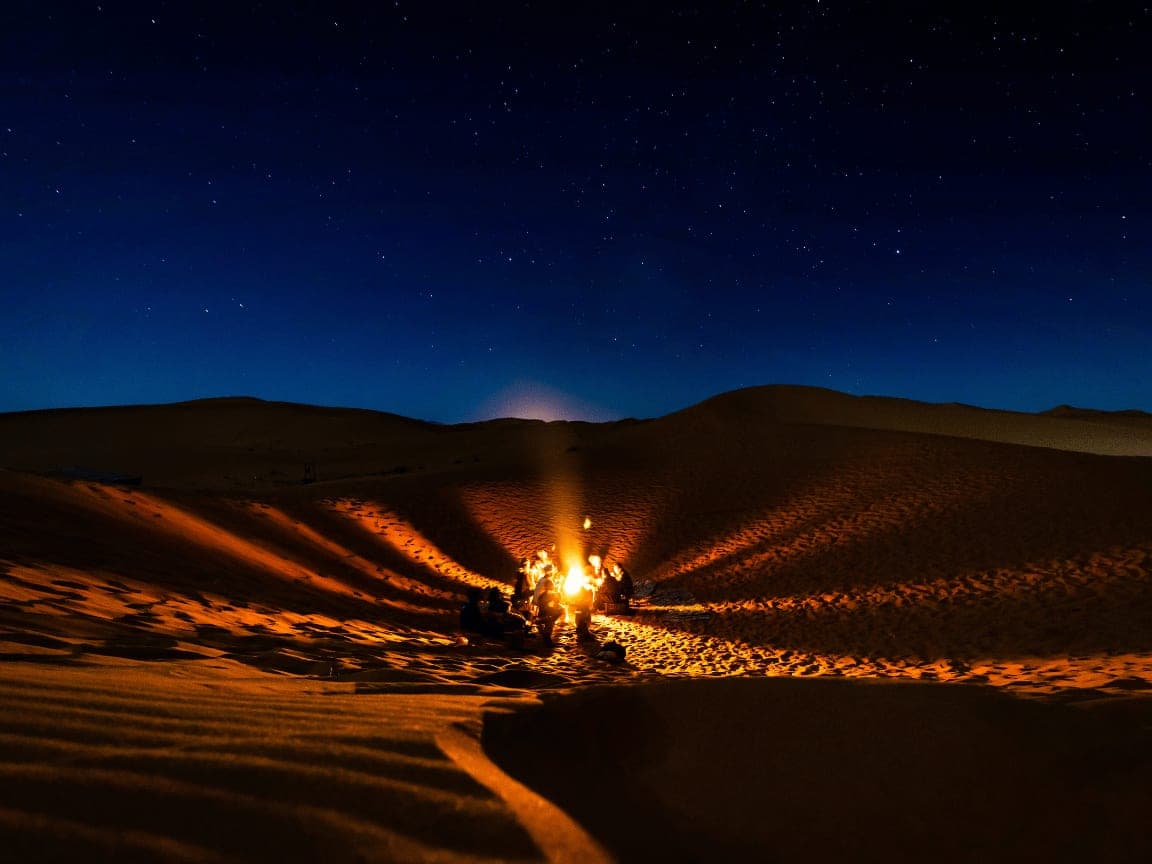
Private or group: what actually changes on the road
The difference isn't comfort so much as control over the day.
By Omar Hafidi
Read article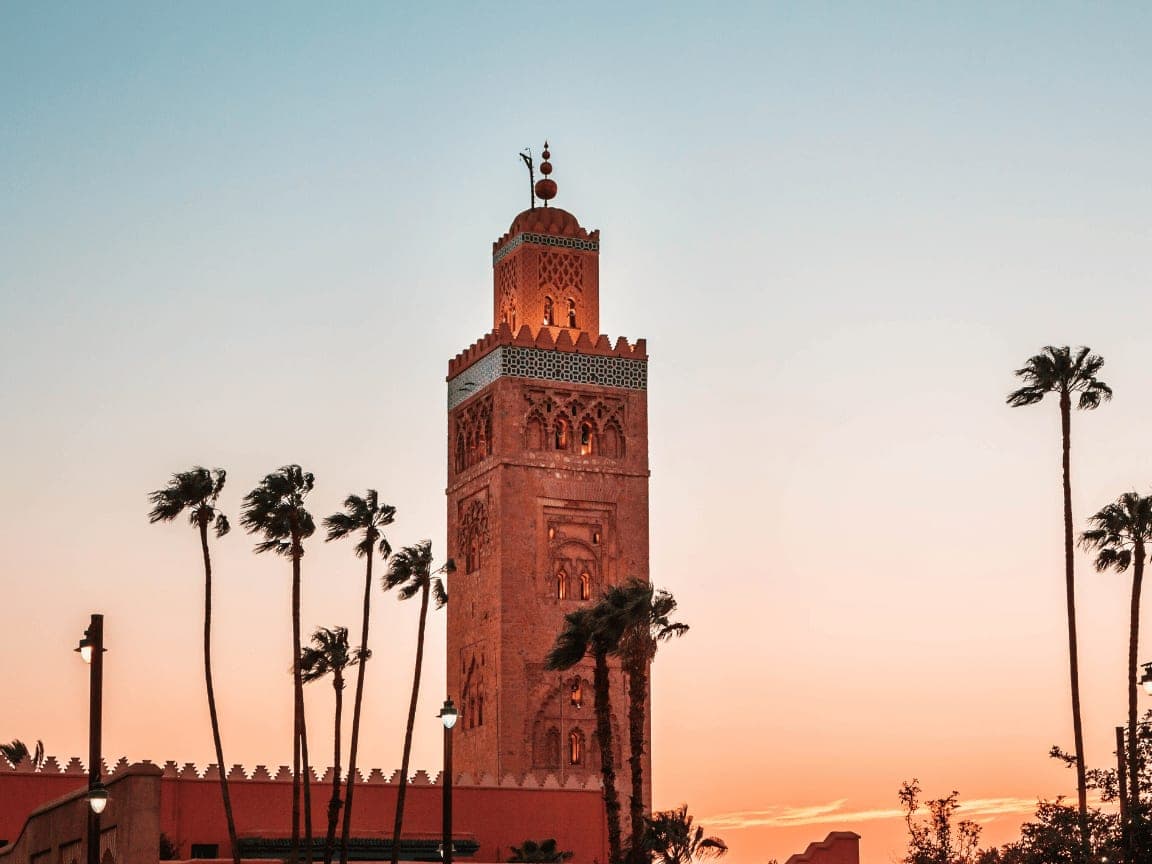
A first-timer's route through the Marrakech medina
Where to start when every street looks the same as the last.
By Anouar
Read article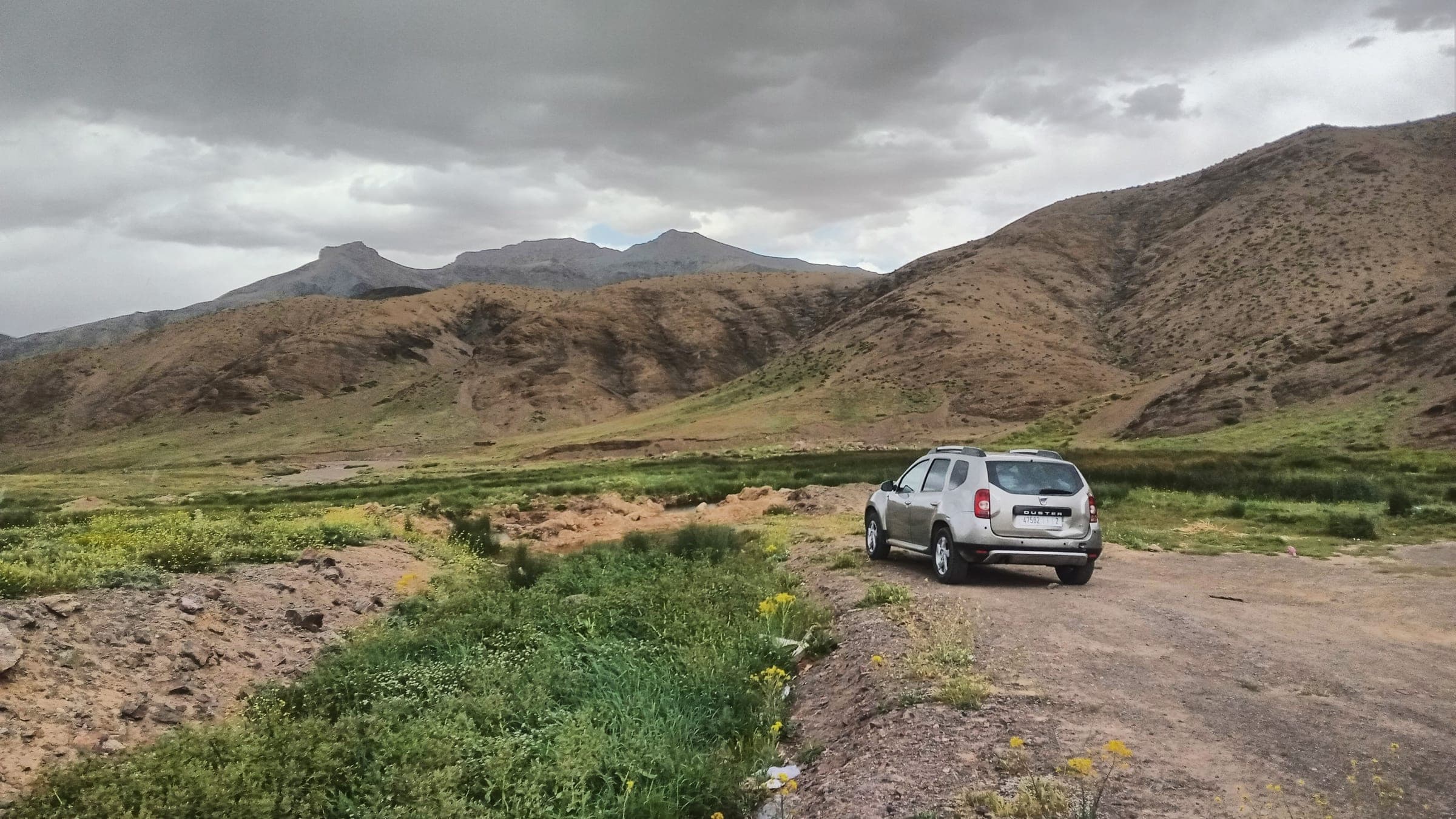
When to go: Morocco by season, region by region
The country is large enough that 'best time to visit' depends on where you're headed.
By Omar Hafidi
Read articleTours that include this
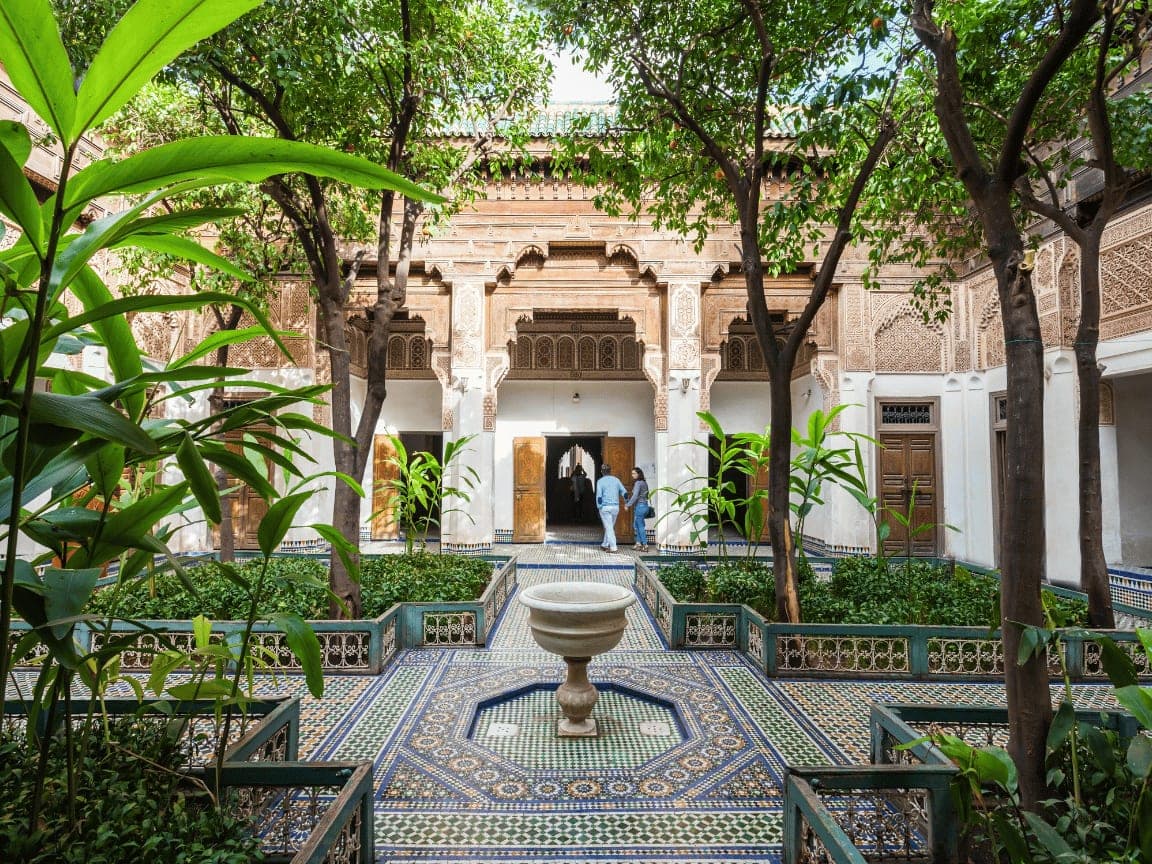
4-Day Sahara Desert Tour from Marrakech
For travellers with four days, not eight. The same dunes as our longer routes, reached and left by the most direct road, with one full day to actually be there.
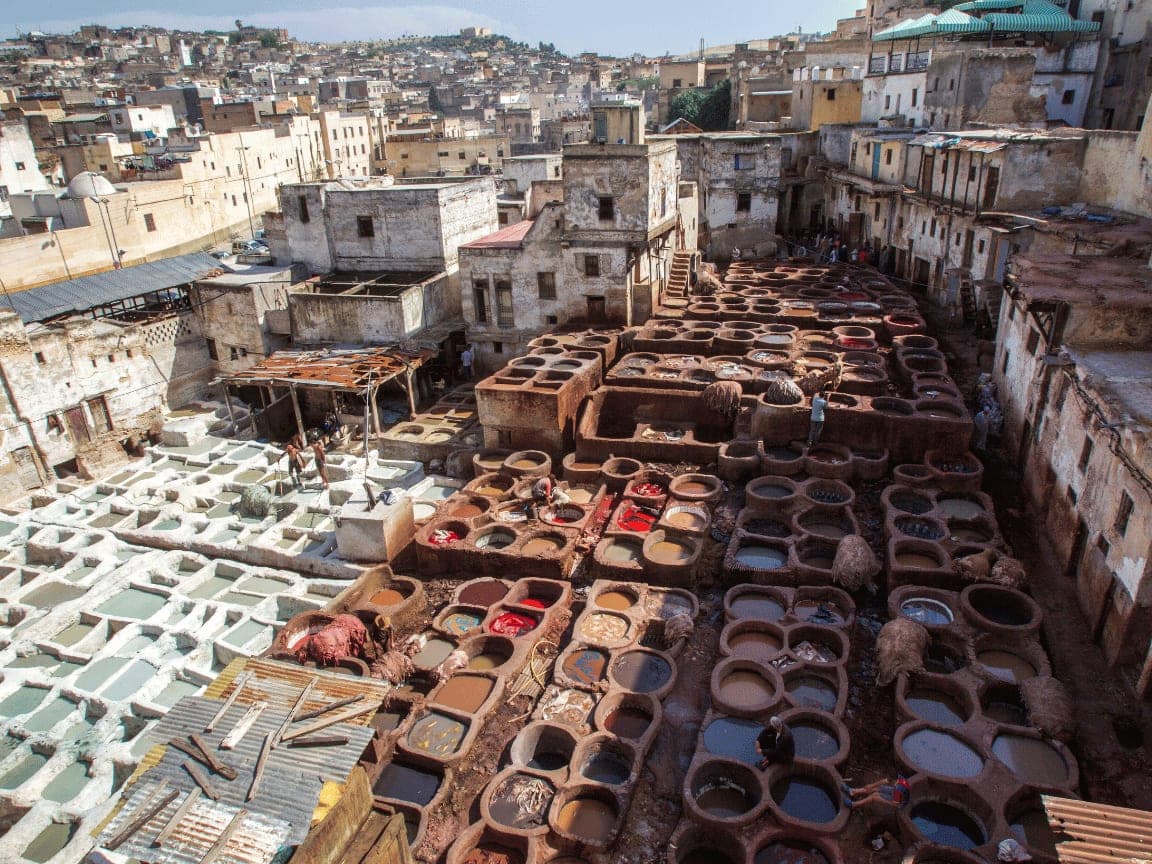
4-Day Sahara Desert Tour from Fez
The most direct route to Erg Chebbi and back, for travellers based in Fez with four days rather than a week. The Middle Atlas cedar forests and Ziz Valley palmeries do a lot of the scenic work on the way down.
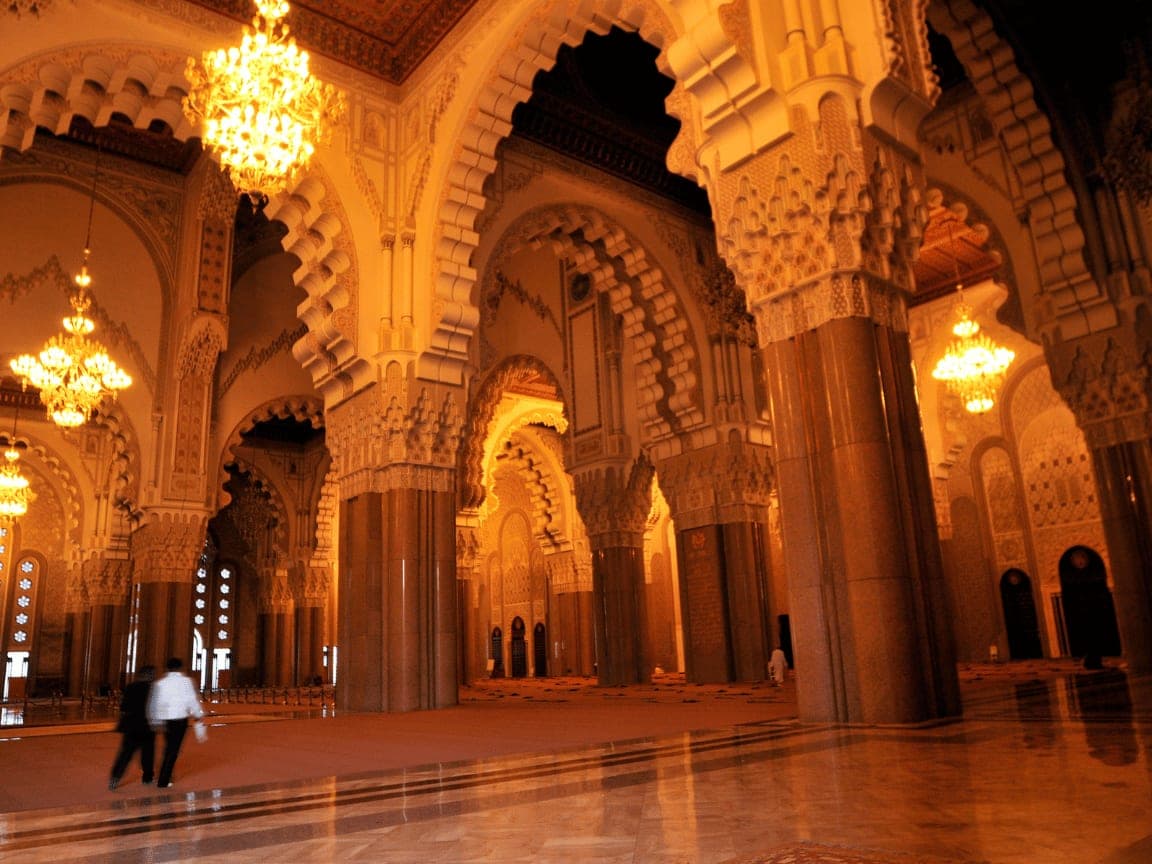
5-Day Sahara Desert Tour from Casablanca
For travellers flying into Casablanca with five days and the Sahara as the priority: a fast transit to Marrakech, then straight over the Atlas to the dunes and back.