
4 min read
Sustainable desert life: how communities actually live in the Sahara's edge
Centuries of adaptation to scarce water, and what's changing under modern pressure.
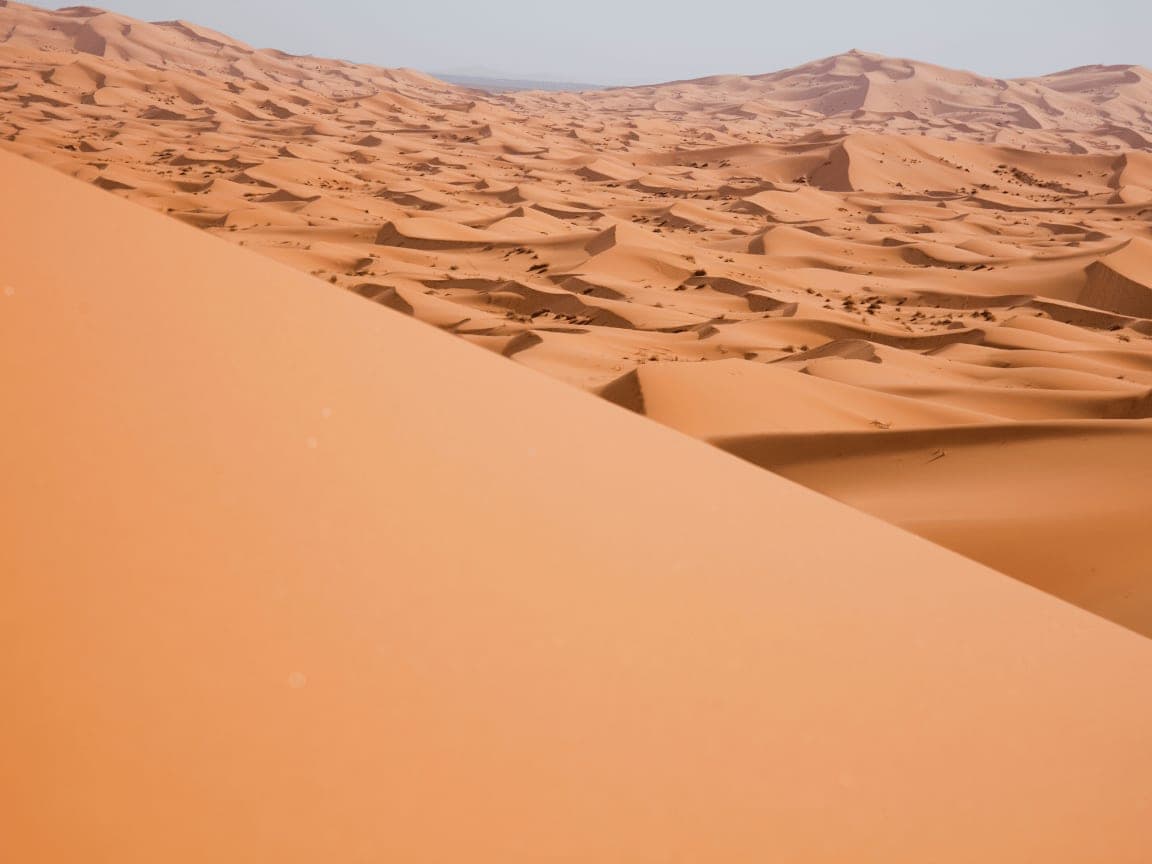
Life at the Sahara's edge has always been built around water scarcity, not despite it. Oasis towns rely on khettara, underground channels that carry groundwater from higher water tables to fields and settlements by gravity, a system that's centuries old and still working in parts of the pre-Saharan valleys today. Date palm cultivation, still a real local economy, depends on exactly this kind of careful, low-loss irrigation; open canals would lose most of the water to evaporation before it got anywhere.
Semi-nomadic herding, moving livestock between grazing areas as the seasons and available water shifted, was the other main adaptation. Fewer families live this way now than a few generations ago, but it hasn't disappeared, and the underlying logic, don't stay anywhere longer than the land can support, still shapes how rural desert communities think about resources.
It's worth being honest that modern pressure is real. Groundwater levels in parts of the pre-Sahara have dropped from a mix of drought cycles and rising demand, tourism included, and desertification is an active concern for some oasis regions, not a distant one.
On the tourism side, some desert camps have moved toward solar power, reduced water use, and hiring locally instead of bussing in outside staff. That's a fair thing to ask a tour operator about directly instead of trusting the marketing copy. We'd rather tell you plainly how our own camps are set up than claim a sustainability standard we haven't actually verified.
Planning around Sahara Desert? Read the Sahara Desert destination guide or see 6-Day Sahara Desert Tour: Marrakech to Fez, a sample itinerary that includes it.
A few common questions
Ready to see this in person?
6-Day Sahara Desert Tour: Marrakech to Fez
A private route over the Atlas passes and down into the Sahara, with two nights to actually sit still in the dunes instead of rushing through them. We end in Fez instead of backtracking to Marrakech, so every day moves forward.
More from the blog
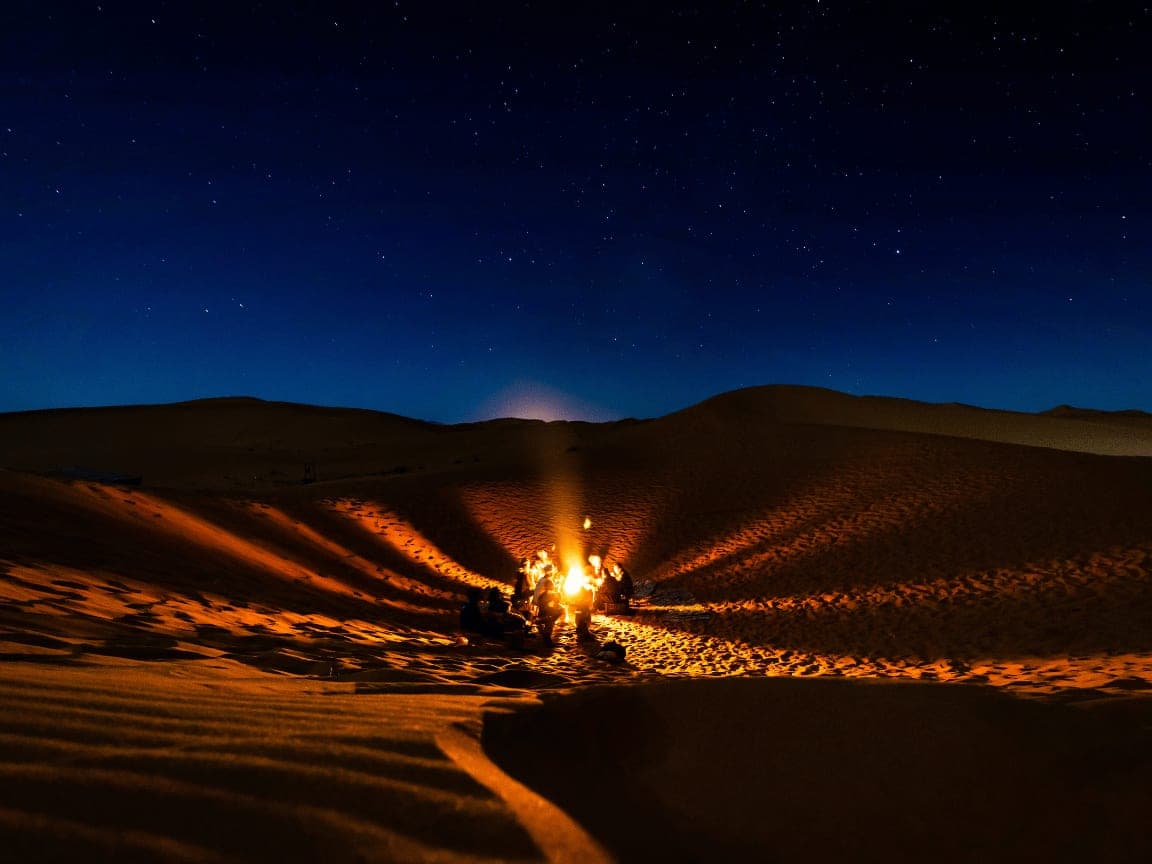
Private or group: what actually changes on the road
The difference isn't comfort so much as control over the day.
By Omar Hafidi
Read article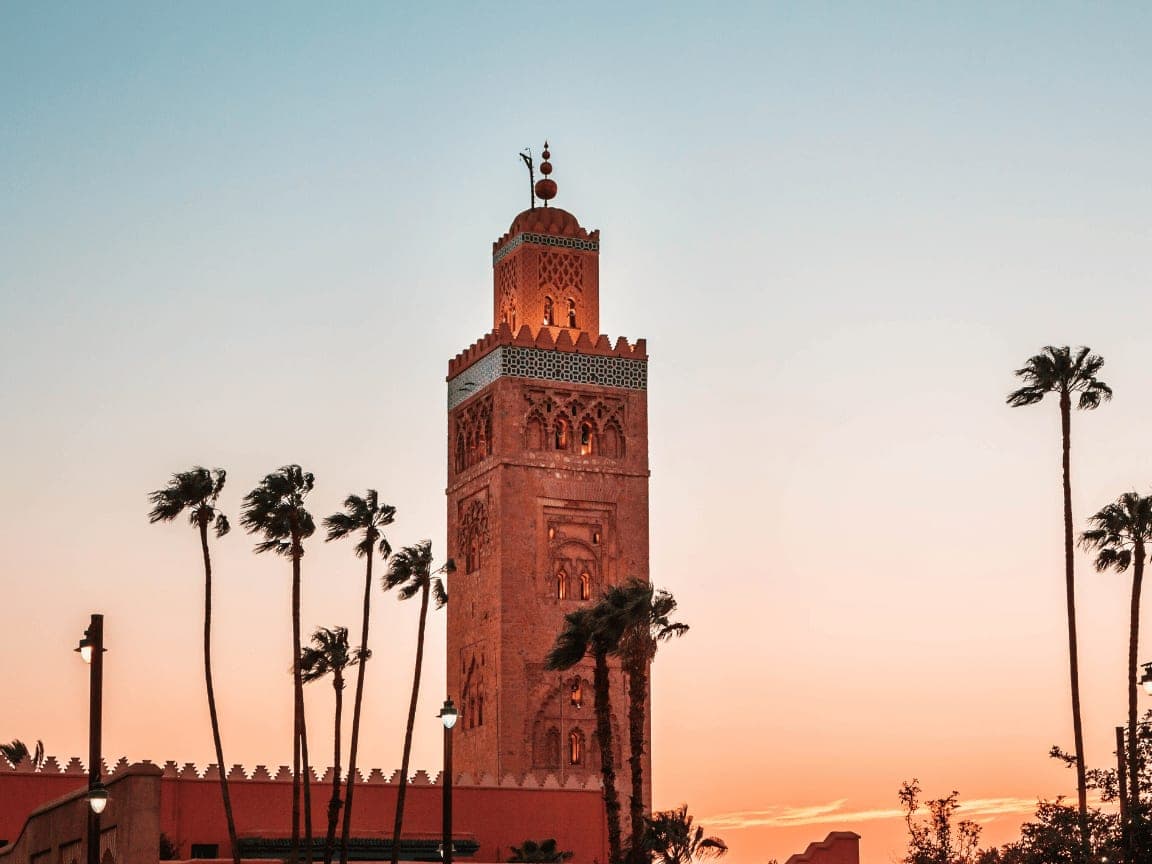
A first-timer's route through the Marrakech medina
Where to start when every street looks the same as the last.
By Anouar
Read article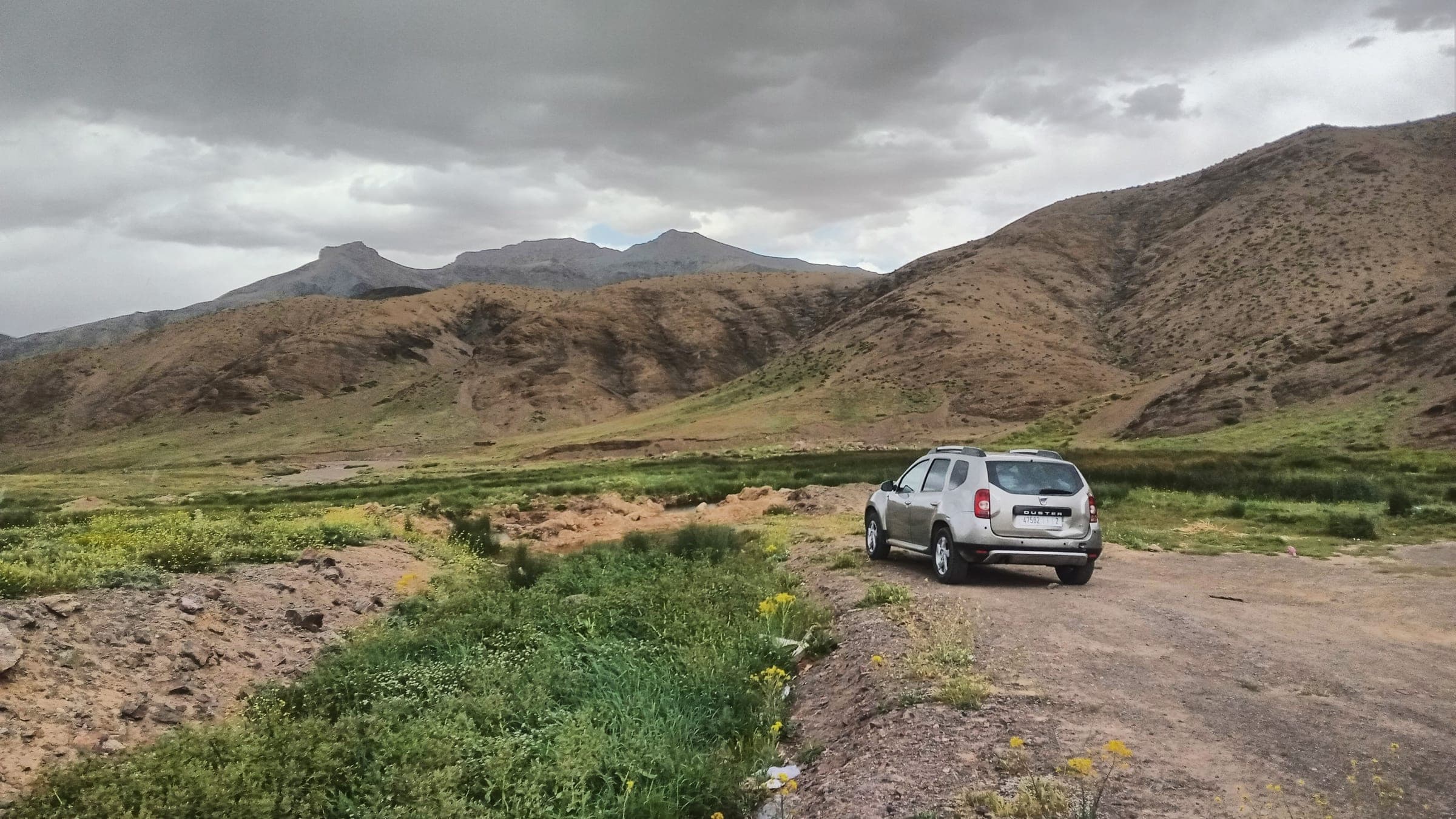
When to go: Morocco by season, region by region
The country is large enough that 'best time to visit' depends on where you're headed.
By Omar Hafidi
Read articleTours that include this
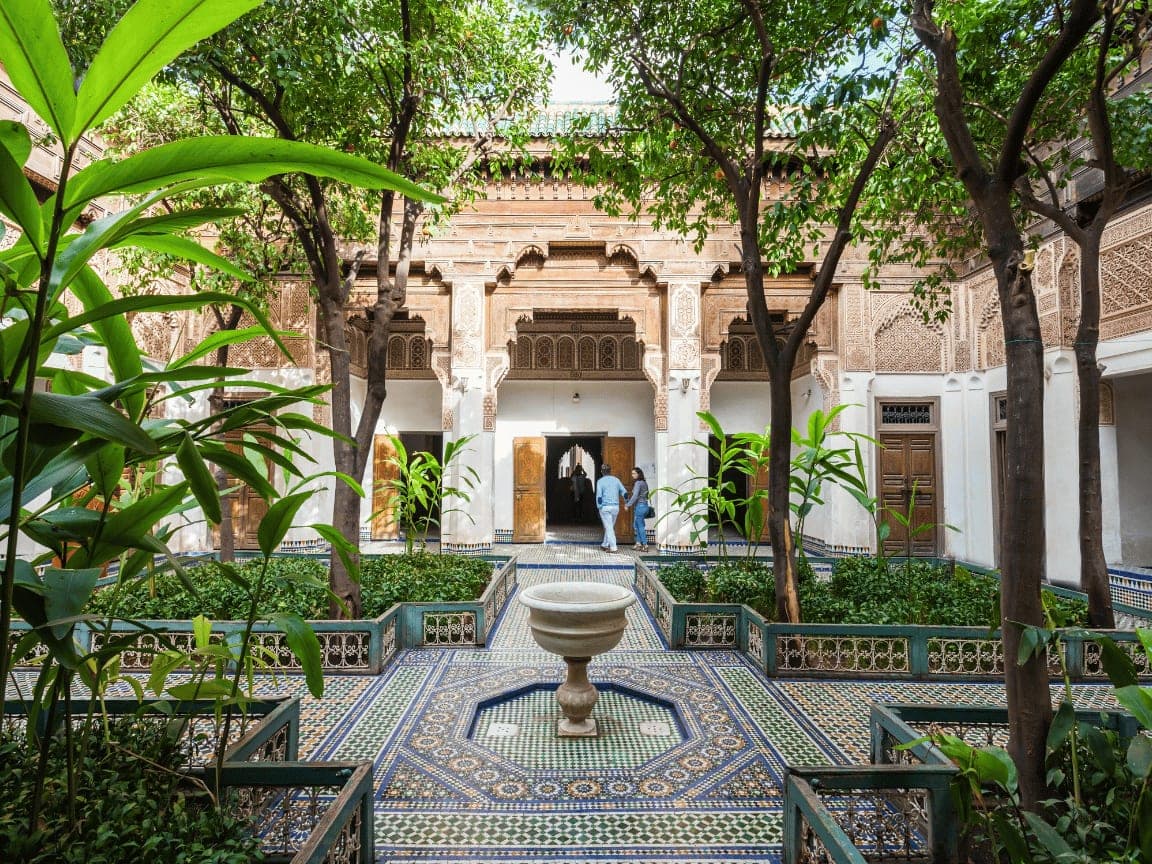
4-Day Sahara Desert Tour from Marrakech
For travellers with four days, not eight. The same dunes as our longer routes, reached and left by the most direct road, with one full day to actually be there.
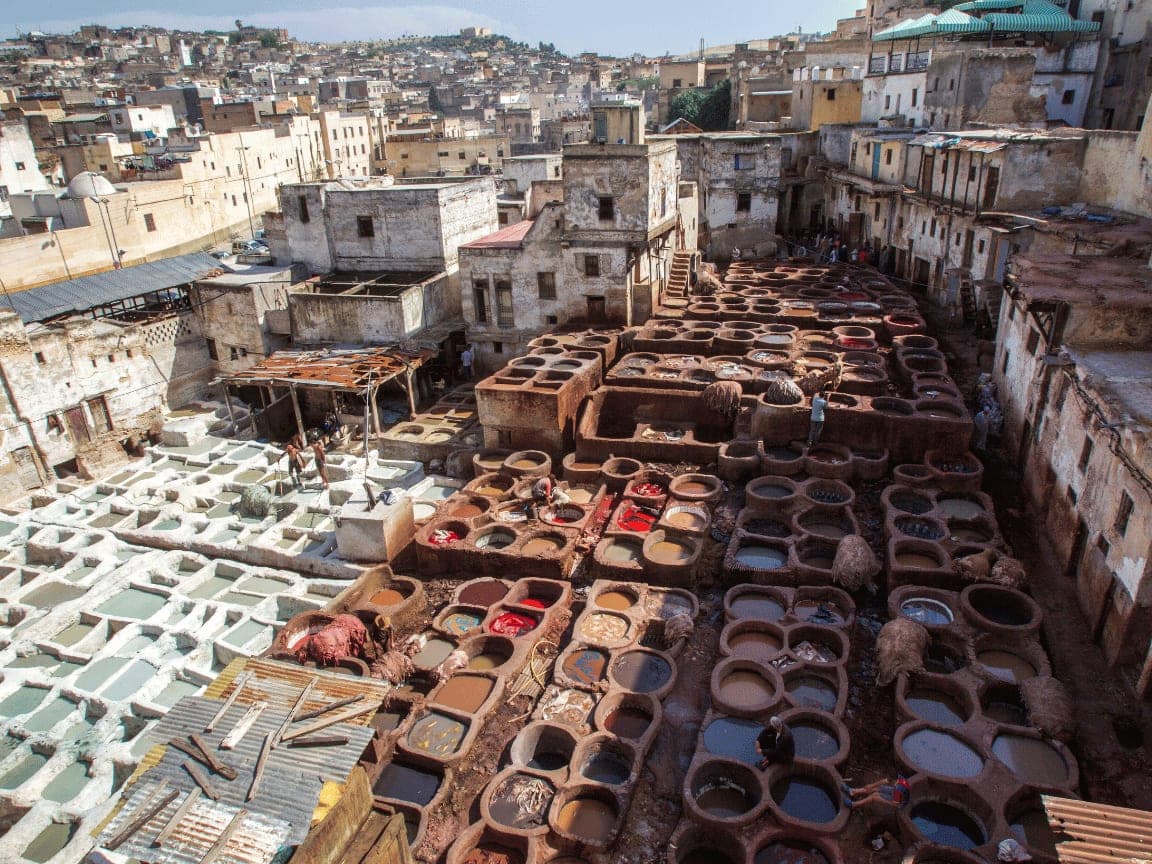
4-Day Sahara Desert Tour from Fez
The most direct route to Erg Chebbi and back, for travellers based in Fez with four days rather than a week. The Middle Atlas cedar forests and Ziz Valley palmeries do a lot of the scenic work on the way down.
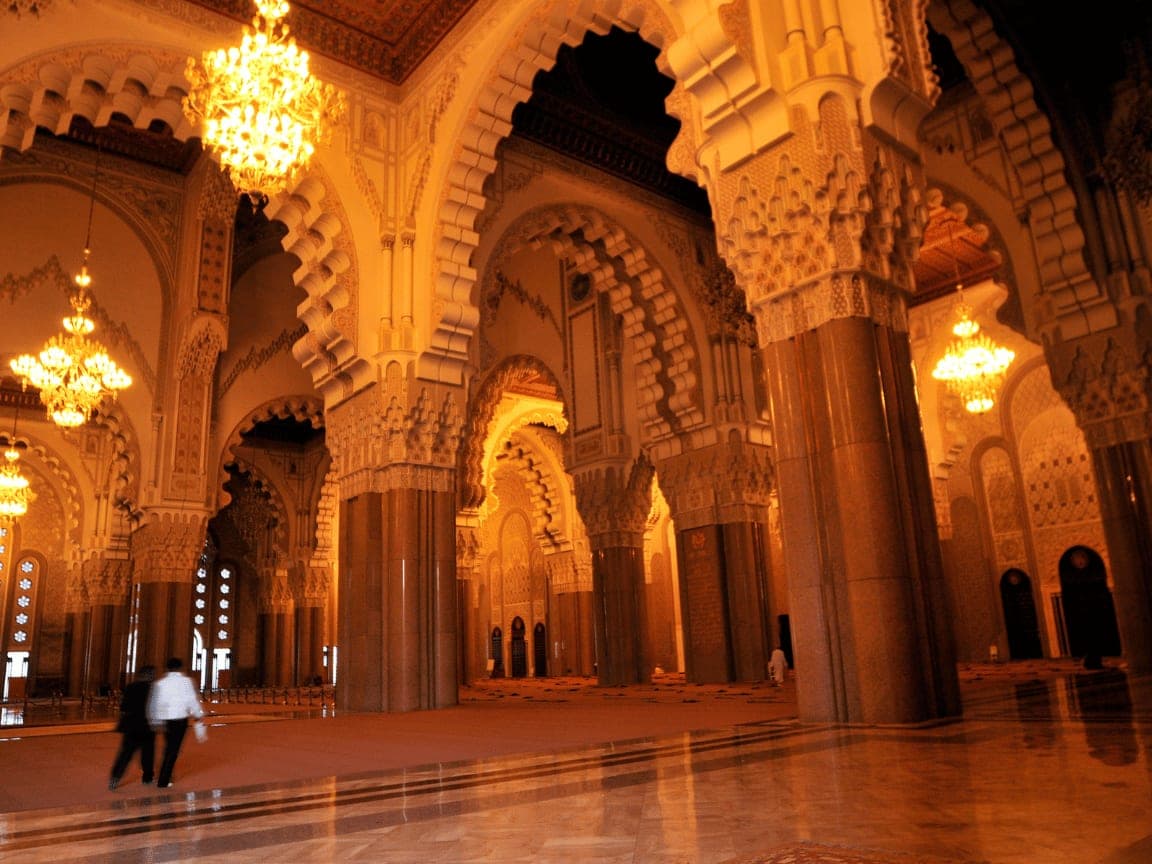
5-Day Sahara Desert Tour from Casablanca
For travellers flying into Casablanca with five days and the Sahara as the priority: a fast transit to Marrakech, then straight over the Atlas to the dunes and back.